

AI SAFETY & SECURITY SUMMIT - Europe
Beyond Awareness - Towards Action & Accountability
Oct 26-27, 2026 | In-Person
Popular narratives about AI safety are dominated by discourse about existential risks and user errors dressed up as “rogue” AI. The AI safety monoculture centers the narrative around imagined and tech-inflicted catastrophes, deflecting attention and diverting resources away from real present-day dangers to our communities, organizations, and society. By stifling our ability for critical thinking, it slows down development of meaningful AI guardrails and practical solutions.
From biased algorithms to environmental impact, these critical risks to all of humanity can no longer be ignored or dismissed. Tech leaders claim that majority of their code is written by AI agents and are marketing their coding tools to inexperienced users, leading to security failures, massive technical debt, and production outages. Glaring ethical blind spots have eroded the public’s trust in AI technologies and curbed many governments’ ability to address these critical threats meaningfully.
A growing interest in technological autonomy and greater national security has led to many regional and local governments testing open-source alternatives while some have already started their transition. Beyond the implications for national security and competitiveness, sovereign AI initiatives can have a significant impact on gender equality and equity, such as women’s inclusion in the AI labor force, pay equity, as well as their online safety.
At our AI Safety & Security summit in Marseille on October 26 & 27, 2026, we will go beyond awareness to discuss meaningful accountability measures and concrete actions with experts from private, public, civil society, industry, and government.
Day 1 will focus on critical threats to individuals and communities, and Day 2 will cover large organizations and governments.
Join our movement to build an inclusive and trustworthy AI future grounded in safety, security, and shared prosperity.
ORGANIZERS & HOSTS
WAIE+ is a Public Interest AI venture based in New York. Expanding on the work by Women in AI Ethics™, launched in 2018, WAIE+ brings together stakeholders and experts across diverse sectors and regions to collectively build an inclusive AI future by and for all of humanity. https://www.waieplus.com/

Established in 2006, IPFC is a non-profit based in Marseille, France dedicated to development of new responsible information technologies and facilitating professional integration by offering training in new skills in IT and an activity of Digital Transformation Consulting, including AI, Machine Learning, Deep Learning, Data Science, utilizing ethical and responsible approaches. http://www.ipfconline.fr
Email Team (at) Women in AIEthics (dot) org for sponsorship and other collaboration inquiries.
What attendees at our past events say!
Our Speakers
-
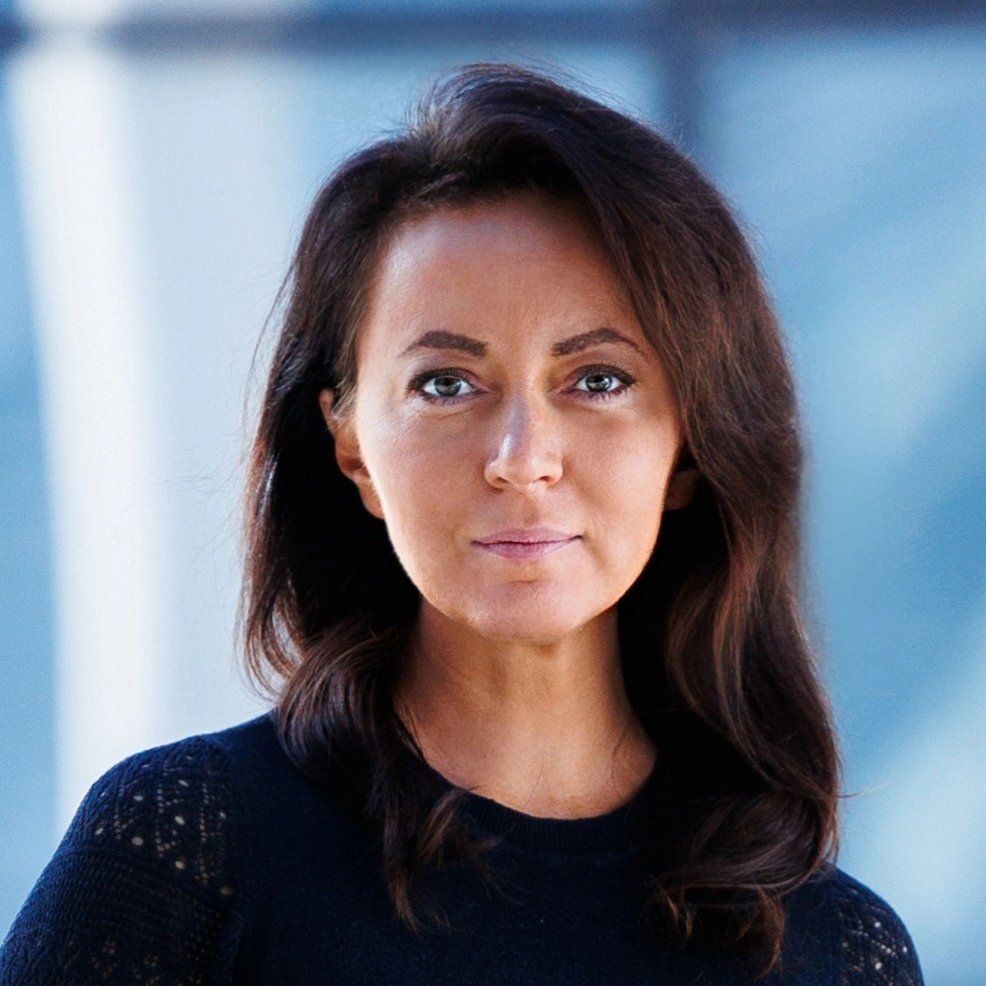
Dr. Irina von Rosén
-

Mia Shah Dand
-

Morgan Mongin
-
More speakers to be announced.
Summit Agenda - October 26-27, 2026
AGENDA - DAY 1*
INDIVIDUAL & COMMUNITY – MONDAY, OCT 26 (Timings are in local time)
-
EVENT OPEN
-
OPENING REMARKS
-
From 4chan to X, users are using AI tools to create and share nonconsensual explicit deepfakes of women to humiliate and degrade them. The Center for Countering Digital Hate estimates that Elon Musk’s Grok AI has created 3million sexualized images, including thousands of minors. Some state governments across north America as well national governments like Thailand and UK have started implementing measures to prevent or limit use of social media by minors.
These abhorrent but isolated acts by a few individual users have morphed into something much worse. A researcher at ISD Global found through their investigation of 4chan, it is collaboration across an entire misogynistic community with social validation of and encouragement for digital sexual abuse of women.
Deepfake sextortion is on the rise and out of control. Cybercriminals are blackmailing schools and parents by using AI to create sexually explicit deepfakes of children from photos scraped from school websites and social media, demanding ransom payments to prevent the images from being released online.
In response, some experts have suggested that schools remove student photos from their websites and social media accounts. EU lawmakers and member states reached provisional agreement in May to ban “nudifier apps” starting 2 December, putting the responsibility to implement safeguards to prevent misuse on the technology developers. A Dutch court separately ordered Grok to stop creating non-consensual AI-generated images of adults and minors.
Join WAIE+ AI Safety & Security summit in Marseille as experts discuss how to keep women and minors safe from harmful uses and outcomes of AI. -
Since the launch of AI Ethics® in 2018, we have elevated voices of underrepresented diverse experts in the AI space. During this time, we’ve noticed that Global Majority views are often missing or underrepresented in the global AI discourse. Dominant western narratives about AI Safety are focused on existential risks and threats from “rogue” Artificial Super-Intelligence (AGI). This centering of imagined catastrophes of the future deflects attention and resources away from present-day dangers faced by our communities and organizations.
The AI safety monoculture stifles our ability for critical thinking, slows down the development of meaningful AI guardrails, and prevents us from building community-inclusive solutions. It has led to ethical blind spots, which have eroded the public’s trust in these technologies and curbed governments’ ability to address critical threats posed by powerful AI companies. Grok AI is a recent example of how developers of these technologies are profiting from AI-enabled digital violence and sexualization of women, young girls, and even children.
It is not only the most vulnerable in our communities who are at risk. Reckless development and deployment of these powerful technologies pose a serious threat to all humanity. At our special session, originally planned for RightsCon, we will reclaim the AI safety and security space for the people. We will discuss what safety and security means for Africa along with expert strategies and resources to keep our communities safe in the AI age.
Join WAIE+ AI Safety & Security summit in Marseille as experts discuss how to keep women and minors safe from harmful uses and outcomes of AI. -
LUNCH BREAK
-
A popular use case for AI is in surveillance, including by employers in the workplace in a bid to boost productivity. “Surveillance as safety” positioning has been effective among homeowners and apartment dwellers as well as their management companies. Amazon bought Ring, the video doorbell company in 2018 and since then it has sold over millions of these devices. Privacy experts and human rights organizations have warned about the increasingly close ties between these security companies and law enforcement, leading to erosion of citizens’ right to privacy.
Flock’s cloud-connected cameras have come under close scrutiny recently as the company was found to be collecting personally identifiable information (PII) from public spaces, giving access to its employees to watch spaces with minors, and funneling sensitive data directly to police departments. One disturbing incident also includes tracking a woman who may have received an abortion in a state, where it has been banned.
As these technologies are increasingly deployed in the workplace, personal spaces, and public domains, we must ask, where is the balance between our right to privacy and the vendor claims of safety? Join WAIE+ virtual AI Safety & Security summit in Marseille as experts to discuss these and other important issues of our times. -
From hallucinations to malware, generative AI usage has opened the floodgates to unintended and unplanned consequences. Mainstream media headlines are dominated by the perspectives of builders and vendors of AI technologies, who pitch AI tools as “magical” rather than products with serious limitations. Public engagement in the AI discourse is often limited to increasing adoption, without serious consideration of the risks or any assurance of accountability when things go wrong.
In response to the growing usage of these tools, WAIE+ launched the AISSES [AI Safety, Security, Ethics, and Society] Trust Index, a unique multi-year research project to understand public perception around popular generative AI tools and the tech companies building them.
This pioneering project aims to shift power to the public by giving them an opportunity to rate and rank these tools based on their trustworthiness. This collective feedback will provide a foundation for greater transparency and accountability for AI tools.
Join WAIE+ AI Safety & Security summit in Marseille to get insights from this study on generative AI users and what these findings signal for the future of AI. -
COFFEE BREAK
-
Across the globe, local and municipal governments are contemplating building their own AI models and infrastructure, rather than relying on the private sector or foreign-owned entities. This move towards greater technological autonomy could help constituents who are not represented in or are underserved by commercially available options. Local governments are in the unique position of understanding the local needs and can adopt technological approaches that are better aligned with their responsibilities.
Experts suggest that this bottom-up approach could help augment public datasets with local expertise and thereby improve access for residents to public services. In parallel, communities are also exploring open-source models, giving the public sector an opportunity to democratize AI at a community-level, leveraging local talent and infrastructure, while ensuring greater control over the training data and related decision-making.
As communities explore AI & data sovereignty, join us at WAIE+ AI Safety & Security summit in Marseille as experts discuss what the path forward looks like. -
CLOSING REMARKS
-
NETWORKING RECEPTION
-
EVENT CLOSE
*Agenda is subject to change.
ENTERPRISE & GOVERNMENTS – TUESDAY, October 27 (Timings are in local time)
AGENDA - DAY 2*
-
CHECK IN & REGISTRATION
-
OPENING REMARKS
-
Tech firms are forcing their workers to use AI, even tying usage to productivity and performance reviews. Founders are under tremendous pressure from investors and workers from their management to use AI tools.
However, many don’t meet the readiness criteria to safely adopt, integrate, and scale these technologies in the workplace. They also lack the necessary governance to address the risks that accompany the deployment of these powerful technologies in their organizations and communities.
Vendor productivity claims and lack of transparency have led to lapses in due diligence around biases embedded in model training data and security vulnerabilities. Interpretability or explainability tools are widely treated as evidence that AI systems are behaving responsibly even if this doesn’t reflect reality.
AI FOMO (Fear of Missing Out) has led to the rise of “shadow AI” where many employees are using unsanctioned tools in their workplace and exposing their organizations to data leakage and compliance risks. An employee at Disney downloaded AI software from GitHub, which contained hidden malware and infiltrated the company’s internal systems and caused major data exposure including the employee’s personal data.
Join us at WAIE+ AI Safety & Security summit in Marseille as experts discuss the optimal AI governance structure for large organizations and government agencies. -
COFFEE BREAK
-
In 2023, thousands of Kenyans queued up to get their irises scanned by World (formerly known as Worldcoin) in return for crypto-tokens. Concerns around the collection of sensitive biometric data without adequate legal frameworks, led to suspension of the company’s operations by the Kenyan government. Founded by tech billionaire and OpenAI founder, Sam Altman, the company offers a digital identity verification system based on biometric data and has been found to target countries with lax privacy regulations and vulnerable populations for its operations. It continues to face significant regulatory backlash due to privacy concerns and unethical data collection practices.
The controversy over collection of personal sensitive data across Africa and other global majority countries has resurfaced recently in the context of the US Administration’s bilateral health Memoranda of Understanding (MOUs). Critics have described these deals as “data colonialism and “extractive.” While in Kenya, the first African country to sign an agreement, the High Court issued an order halting aspects of the framework involving the transfer and sharing of sensitive health data. The case is based on concerns about how such sensitive data is governed once it is transferred and whether adequate safeguards have been put in place.
Join this timely conversation with experts from African continent at WAIE+ AI Safety & Security summit in Marseille where experts discuss the government’s role in safeguarding its people’s personal sensitive data. -
LUNCH BREAK
-
Security experts are warning that integration of AI tools into enterprise workflows can open severe vulnerabilities turning AI agents into “rogue” actors. Instructions provided by Meta’s AI agent to an engineer exposed a significant portion of the tech giant’s sensitive data to some of its employees.
Anthropic found that earlier versions of its popular AI agent, Claude, sometimes threatened and even blackmailed engineers when told it could be replaced. The company claimed that “agentic misalignment” was responsible for this behavior, which was also observed in AI models developed by other firms.
At a software startup, Cursor, a widely used coding agent, deleted an entire production database along with backups in just seconds. Many developers within large companies are using OpenClaw skills built by other developers in the community. These are pre-coded instructions that they share with other users who can use these skills onboard their AI assistant. However, these skills are not vetted and can hide malicious instructions that can steal secrets and share private conversations with external actors.
Regulatory frameworks like the EU AI Act and the NIST AI Risk Management Framework are attempting to address these vulnerabilities through categorization of risks levels, defining oversight protocols, and compliance standards. However, governance frameworks designed to address security risks and threats fall short on other dimensions such as agent performance and financial overheads as one company incurred half a billion dollars in under a month because of an employee’s unrestricted employee access to Claude.
You have deployed AI in your organization. Now what? Join this expert session at WAIE+ AI Safety & Security summit in Marseille to learn how to ensure that your AI model doesn’t go rogue and to mitigate any issues that arise post-deployment. -
OpenClaw (formerly known as Clawdbot and Moltbot), the open-source AI agent, touted for boosting productivity through its network of autonomous AI agents, is one of the most hyped tools on GitHub. However, this productivity comes with many security risks, including privacy as these agents have access to user’s private messages and confidential data.
As vendors make lofty efficiency claims about AI technologies deployed in the workplace, experts found that the marketing hype doesn’t always match reality. Moreover, critical costs are often hidden or not being fully disclosed in AI productivity conversations and computations.
As these technologies are increasingly deployed in the workplace, personal spaces, and public domains, our expert panel WAIE+ virtual AI Safety & Security summit in Marseille will discuss how these vendor claims should be verified and accountability measures needed to ensure they deliver on their promises. -
COFFEE BREAK
-
Globally, increased awareness about the risks of overreliance on a handful of entities and regions for critical AI and digital infrastructure has renewed interest in AI sovereignty. Broadly defined as a strategic approach to autonomy and control over the AI ecosystem, it includes Sovereign AI, the capability of governments and enterprises to independently develop, deploy, and govern AI systems using their own infrastructure, data, models, and talent.
There are many new public and private sector partnerships initiated to build domestic AI factories and establish localized control of AI infrastructure. Beyond the implications for national security and competitiveness, sovereign AI initiatives can have a significant impact on gender equality and equity, such as women’s inclusion in the AI labor force, pay equity, as well as their online safety.
Resource disparities lead to further gaps between regulatory intent and implementation, slowing down cross-border investigations and enforcements. In addition to technical, economic, and security considerations, it is vital for governments and global organizations to prioritize impact assessment for women and other marginalized groups to ensure they do not fall through the cracks.
As governments and large enterprises explore AI & data sovereignty, join us at WAIE+ AI Safety & Security summit in Marseille as experts discuss what the path forward looks like. -
CLOSING REMARKS
-
SUMMIT CLOSE
*Agenda is subject to change.
CODE OF CONDUCT
We are dedicated to providing a safe, inclusive, and harassment-free experience for everyone. All participants are expected to follow our community guidelines to build a trustworthy future together.