
Building a Trustworthy AI Future
AI SAFETY & SECURITY SUMMIT
June 15-16, 2026 | Virtual/Online
Building a safe & secure AI future for all for us.
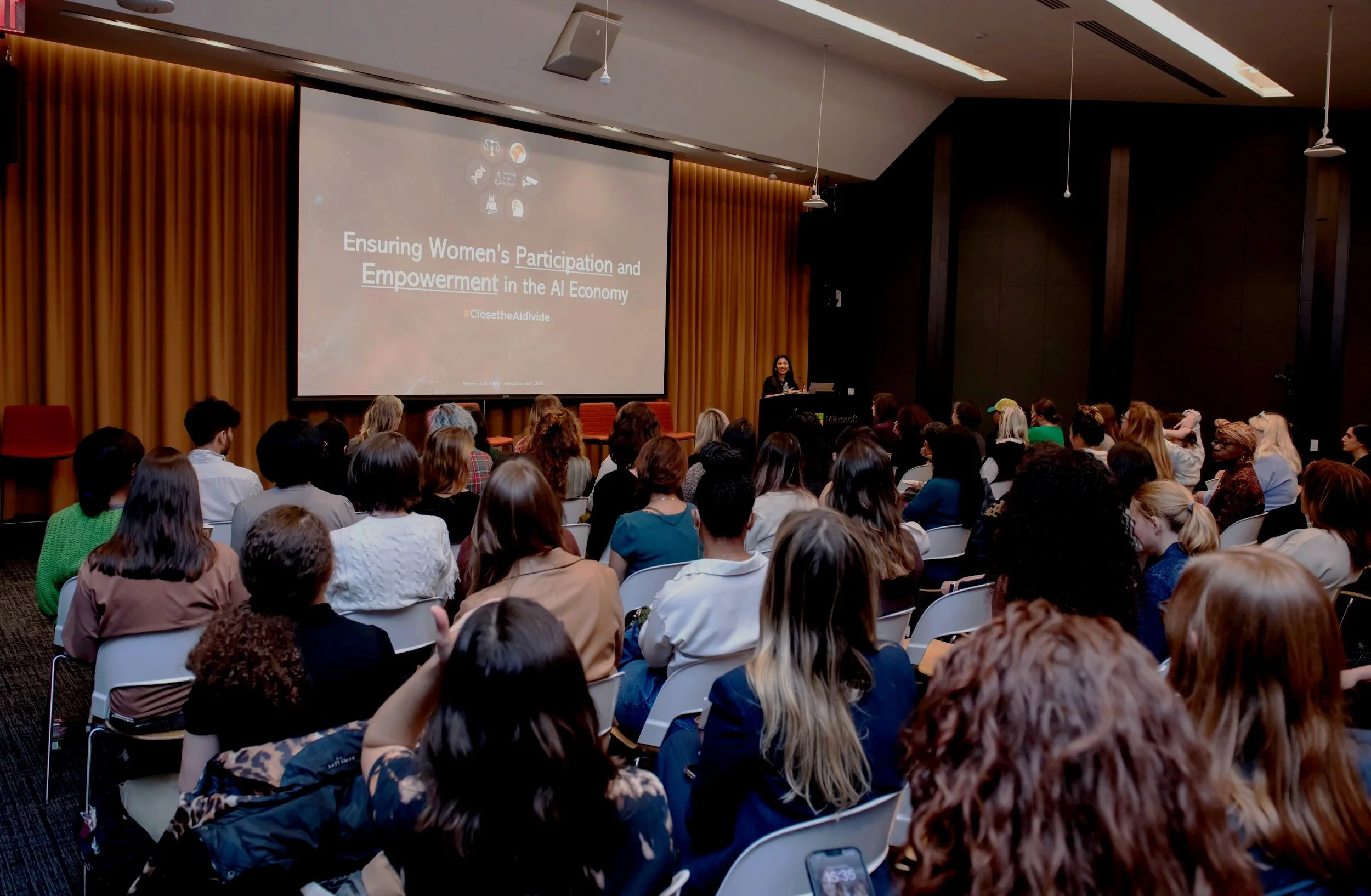
At our virtual AI Safety & Security summit on June 15 & 16, 2026, we brought together over 25 experts from private, public, civil society, industry, and government sectors to discuss concrete solutions to address the critical risks and threats from reckless AI development and deployment.
Day 1 of the summit focused on issues related to individuals and communities, while Day 2 covered topics most relevant to enterprise, large organizations, and government.
Topics: Artificial Intelligence, Surveillance, Safety, Governance, Responsible AI , Ethics, Productivity, Efficiency, Reskilling
Reviews
“Since this was my first time attending, all the sessions offered great value and insight.”
— Lisa L.
“The conversations were substantive and the people in the room were genuinely engaged.”
— James F.
“I didn't think that there would be so many insights for management and business leaders, on how to also do our part.”
— Maria P.
Our Speakers
-

Branwen Owen
-
Christine Haskell
-
Dhivya Raj
-
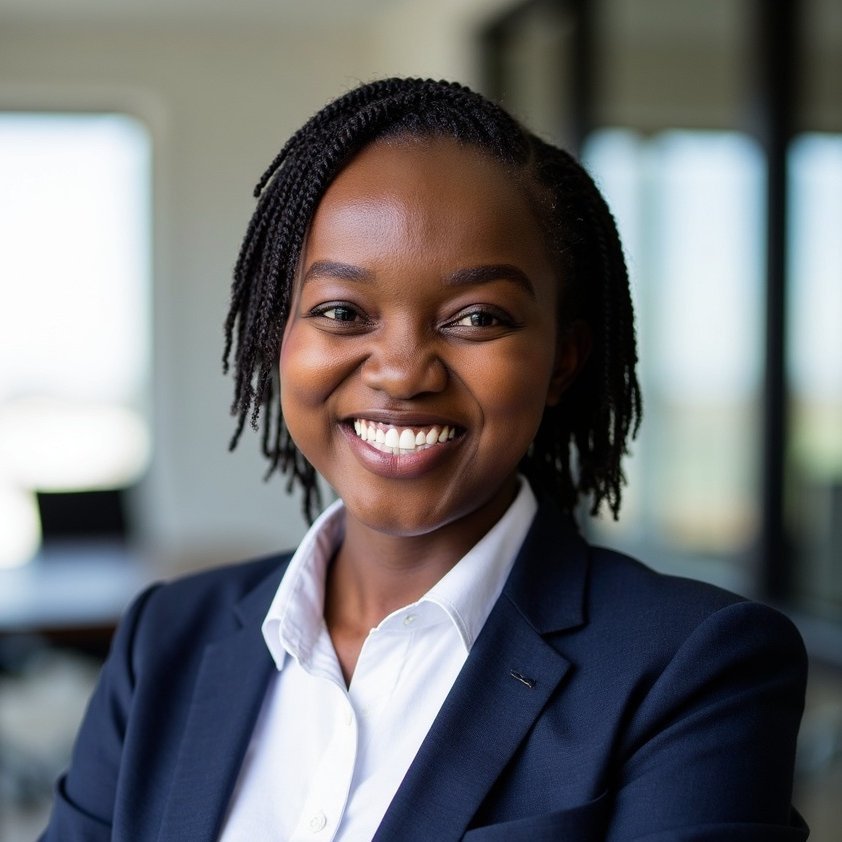
Doreen Abiero
-
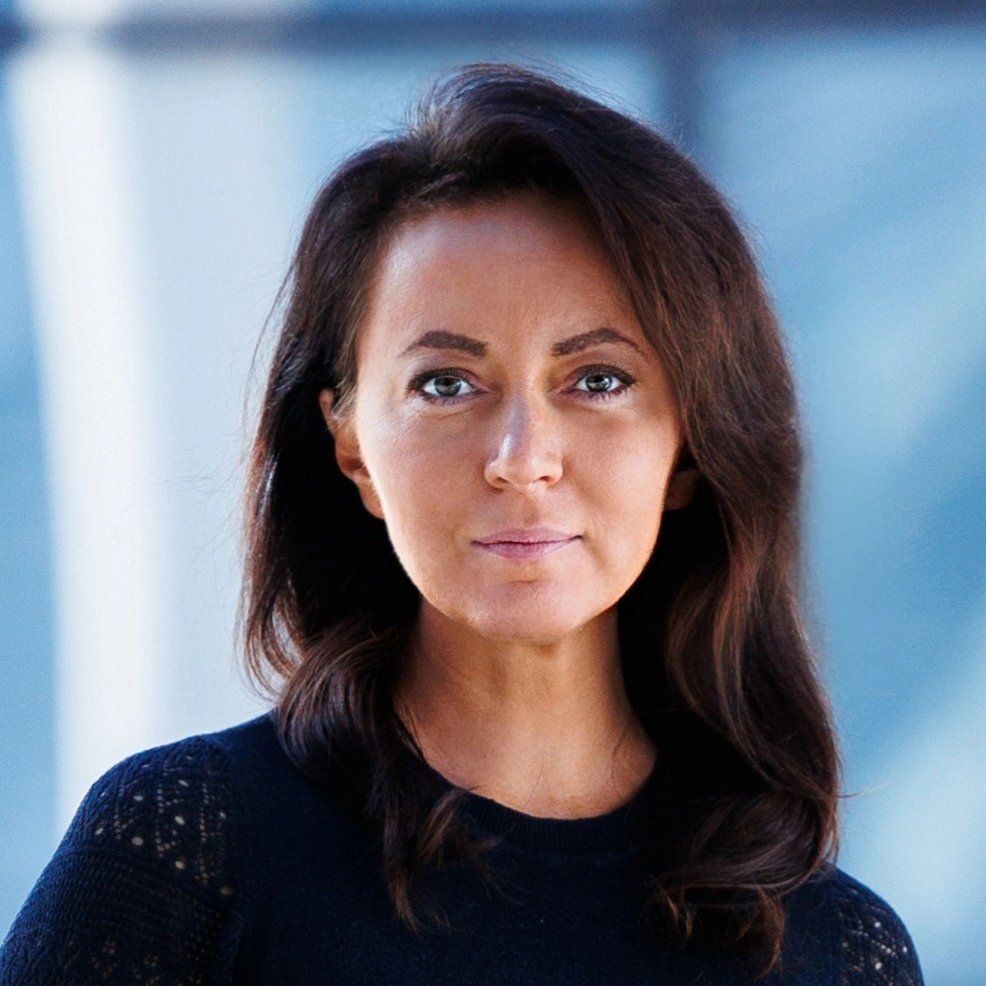
Dr. Irina von Rosén
-
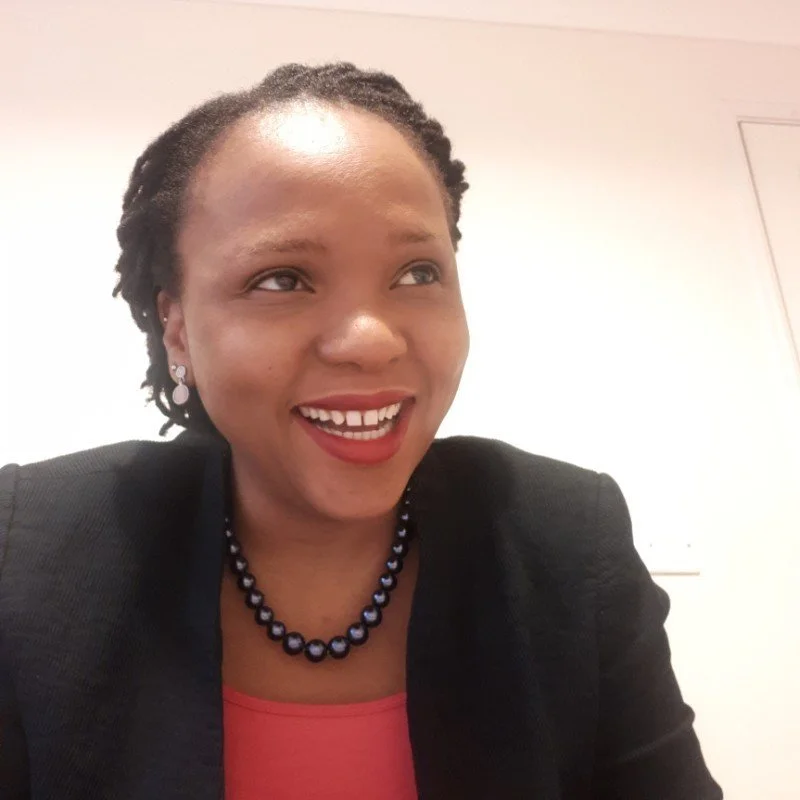
Dr. Kutoma Wakunuma
-
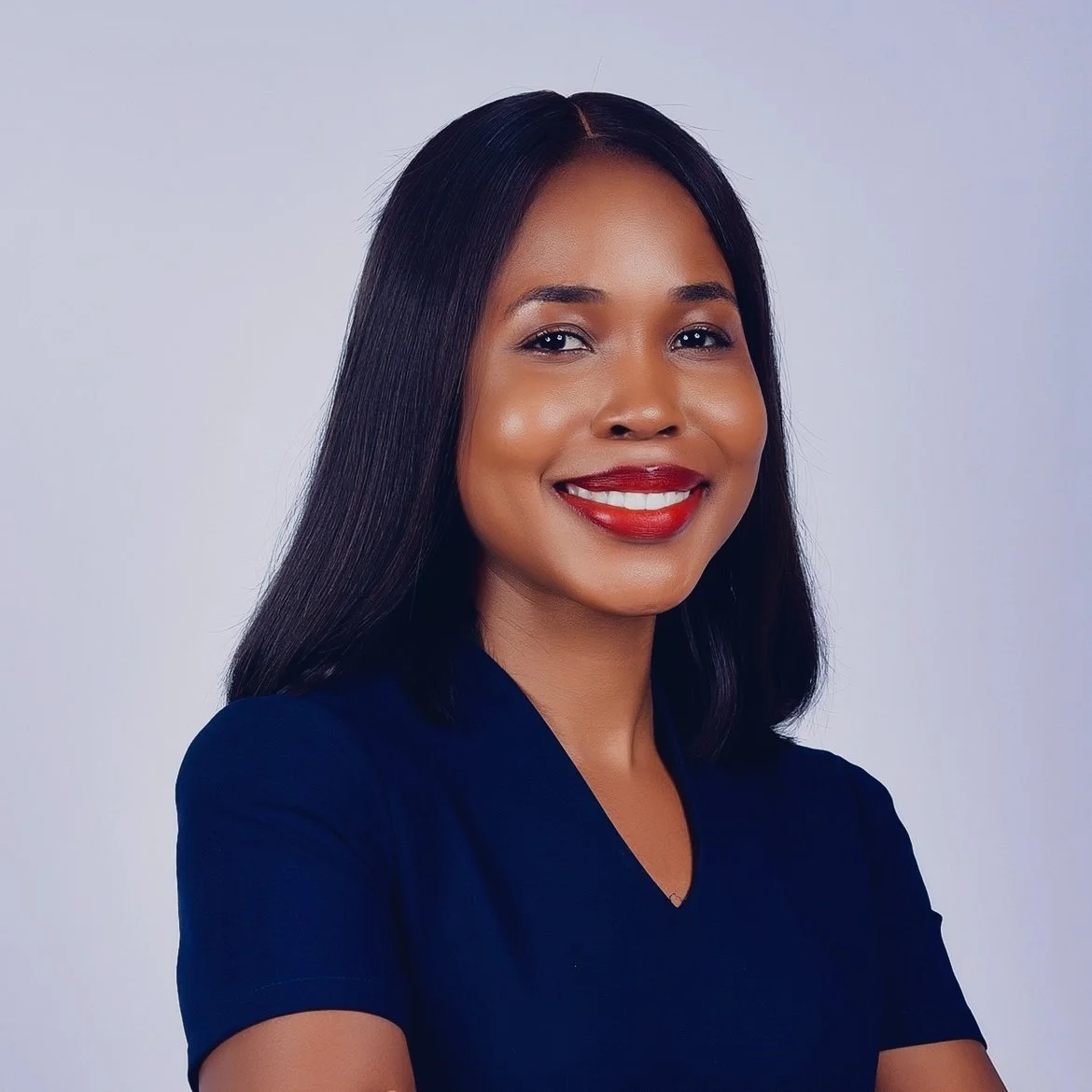
Dr. Maame Ama-Gyaa Anim
-

Elena Krumova
-

Emsie Erastus
-
Fernanda Rodrigues
-

Gloria Phiri
-
Imaan Maftah
-
Maikki Sipinen
-

Margaret Nyambura
-
Marina Boudreau
-

Mia Shah Dand
-
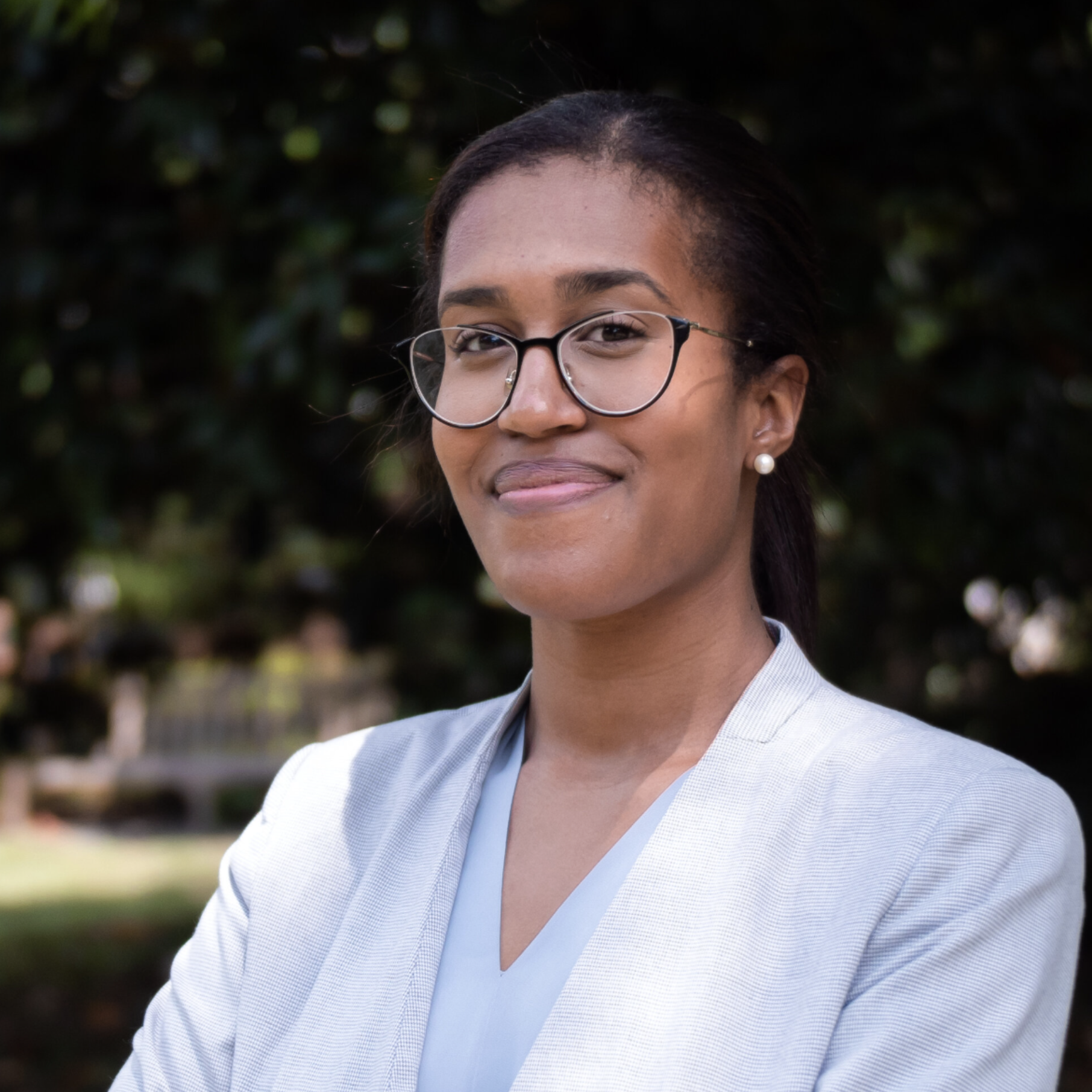
Miriam McKinney Gray
-
Mitisha Gaur
-
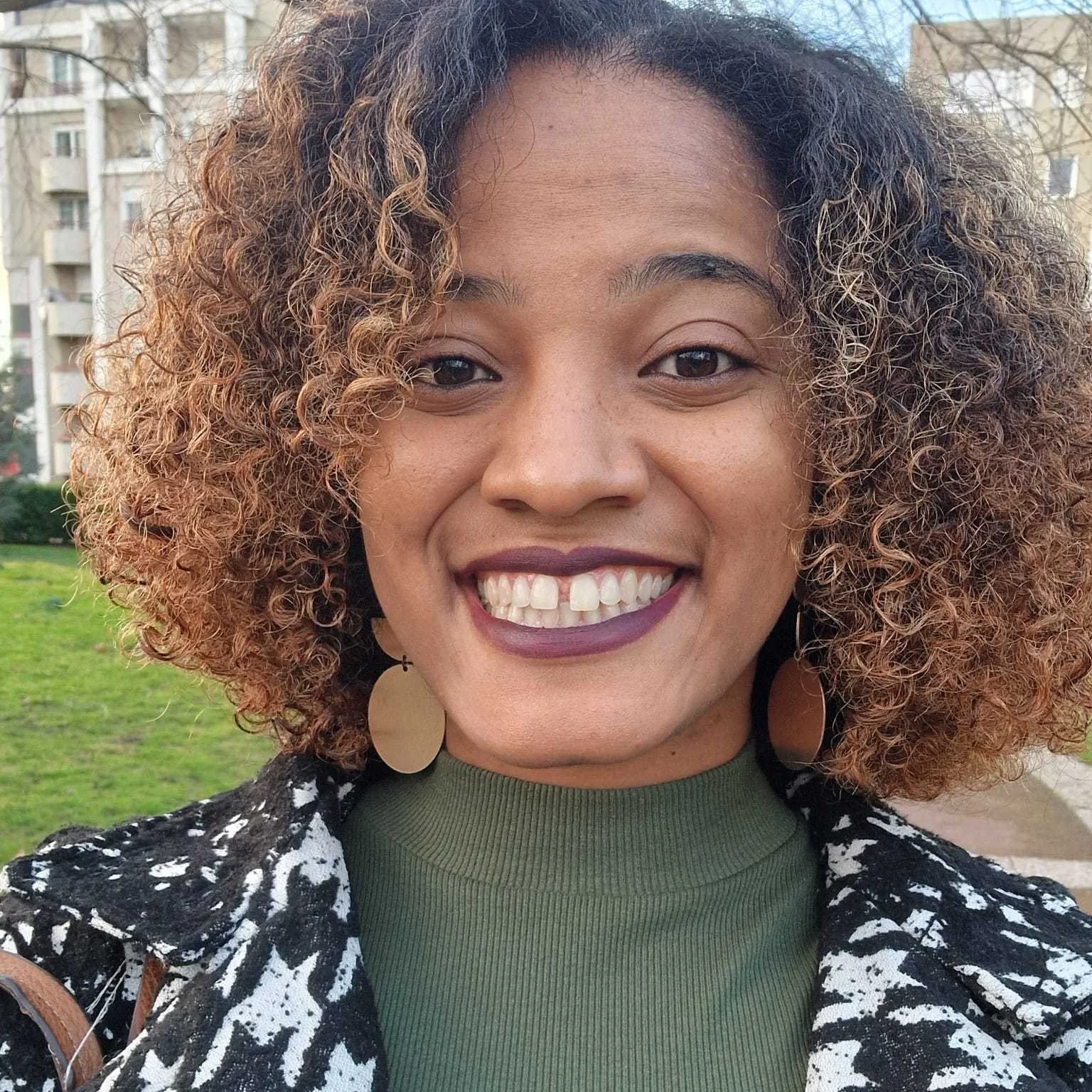
Morgan Mongin
-
Nazareen Ebrahim
-

Niki Vasilatou
-
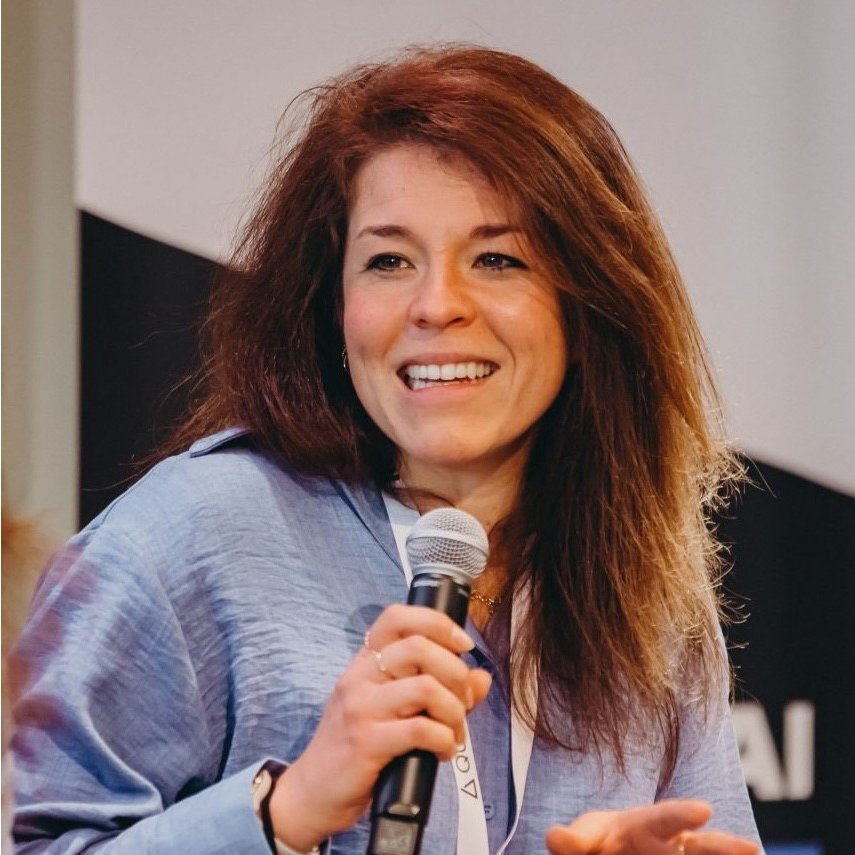
Sarah Mathews
-
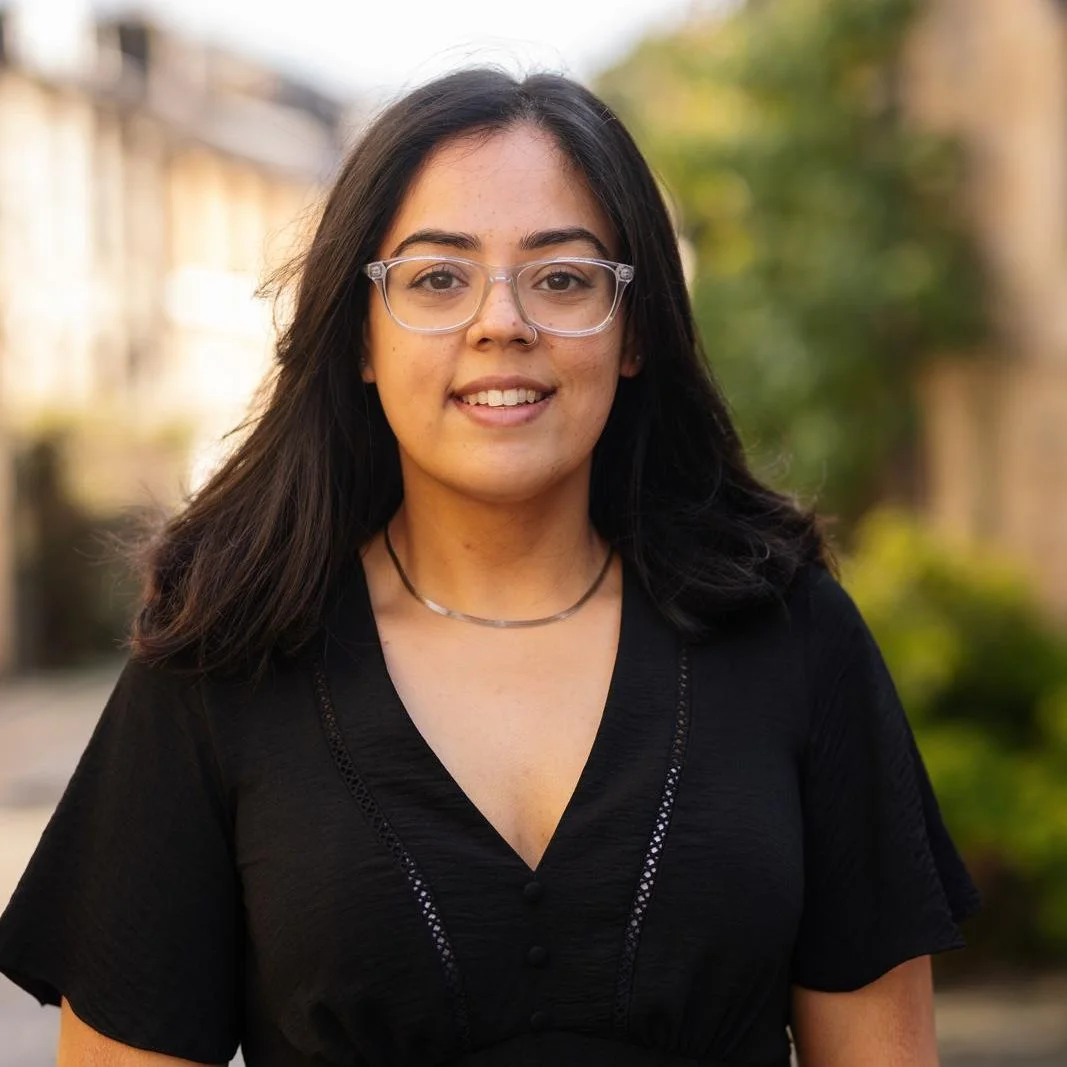
Sidrah Hassan
-
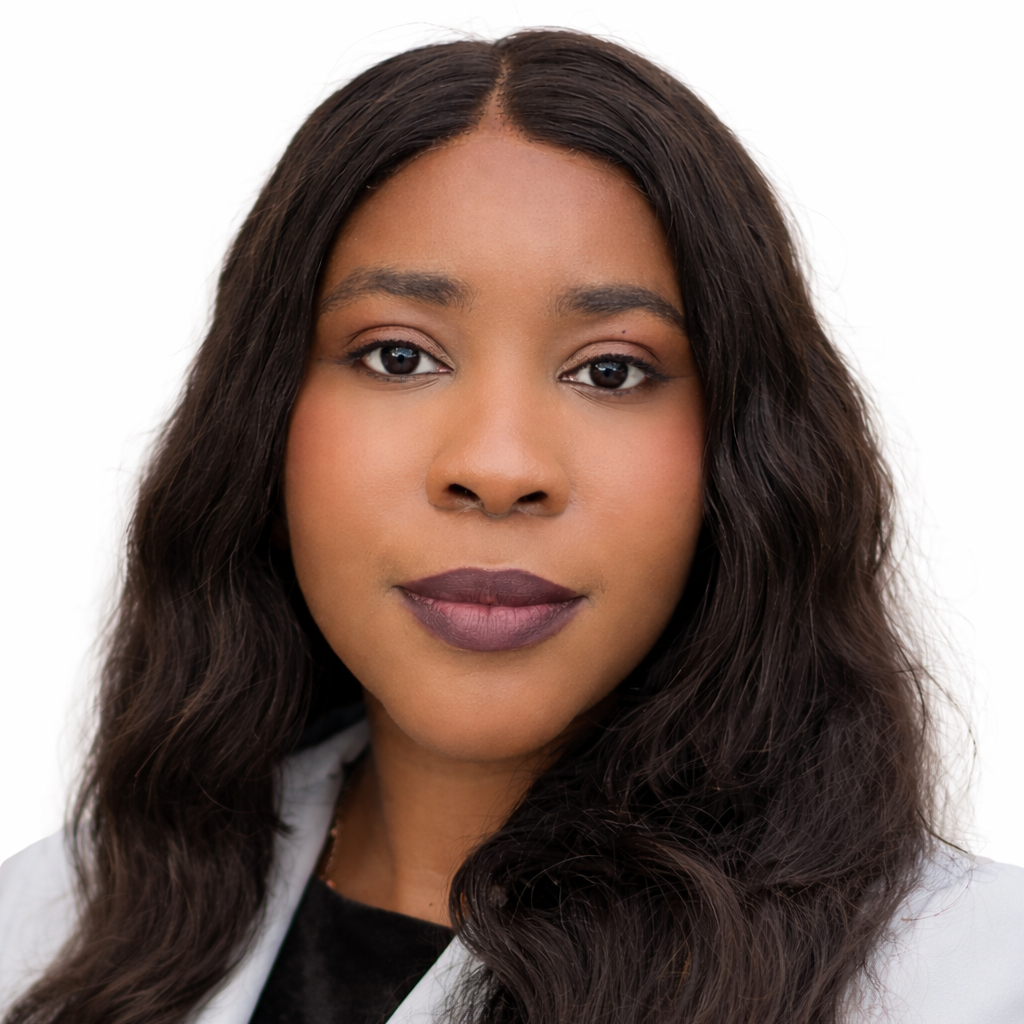
Taofeekat Adigun
-

Teemu Roos
-

Vilma Margarit
-
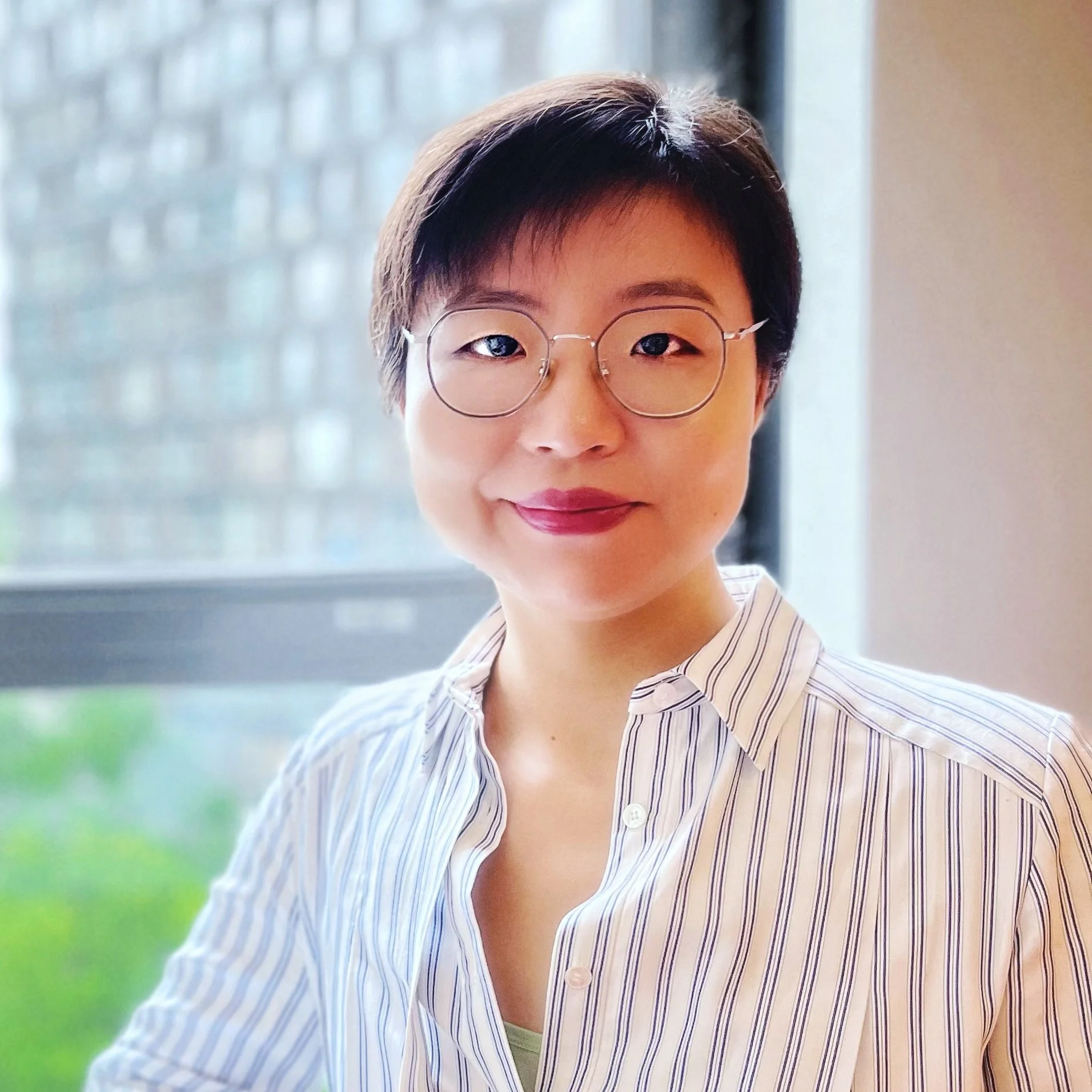
Weijie Huang
What attendees at our past events say!
WHY THIS EVENT?
Dominant media narratives about AI Safety are focused on existential risks and predicted threats from “rogue” Artificial Intelligence. This centering of imagined catastrophes of the future deflects attention and diverts resources away from present-day dangers to our communities and organizations.
The AI safety monoculture stifles our ability for critical thinking, slows down the development of meaningful AI guardrails, and prevents us from building practical solutions. This has led to ethical blind spots, which have eroded the public’s trust in these technologies and curbed governments’ ability to address critical threats meaningfully.
Grok AI is a prime example of how technology vendors are profiting from AI-enabled digital violence and sexualization of women, young girls, and even children but it is not only the most vulnerable in our communities who are at risk. Reckless development and deployment of these powerful technologies also pose a serious threat to large organizations and governments around the world.
Tech CEOs claim that majority of their code is written by their AI agents. Heavily marketed to amateurs and non-coders who lack the expertise to secure their code and test the output themselves, “vibe coding” is leading to disastrous outcomes like security failures, in addition to massive technical debt, production outages.
At our virtual AI Safety & Security summit on June 15 & 16, 2026, we will bring together experts from private, public, civil society, industry, and government sectors to discuss concrete solutions to address these urgent risks and threats. Join our global movement for an inclusive and trustworthy AI future built on a solid foundation of safety, security, and shared prosperity. Day 1 of the summit will focus on issues related to individuals and communities, while Day 2 will cover issues most relevant to enterprise, large organizations, and government.
Email:Team (at) Women in AIEthics (dot) org for sponsorship and other collaboration inquiries.
Following the launch of Women in AI Ethics® in 2018 to elevate the voices and work of diverse experts in the AI Ethics space, WAIE+™ was established in 2025 as a Public Interest AI venture. Through its global expert community, research institute, and media network, WAIE+ builds educational programs and resources to ensure a safe and secure AI future for all of humanity.
Summit Agenda
AGENDA DAY - ONE
INDIVIDUAL & COMMUNITY – MONDAY, JUNE 15 (TIMINGS ARE IN ET)
-
EVENT OPEN
-
OPENING REMARKS
-
From 4chan to X, users are using AI tools to create and share nonconsensual explicit deepfakes of women to humiliate and degrade them. The Center for Countering Digital Hate estimates that Elon Musk’s Grok AI has created 3 million sexualized images, including thousands of minors. Some state governments across North America as well national governments like Thailand and UK have started implementing measures to prevent or limit use of social media by minors.
These abhorrent but isolated acts by a few individual users have morphed into something much worse. A researcher at ISD Global found through their investigation of 4chan, it is collaboration across an entire misogynistic community with social validation of and encouragement for digital sexual abuse of women.
Deepfake sextortion is on the rise and out of control. Cybercriminals are blackmailing schools and parents by using AI to create sexually explicit deepfakes of children from photos scraped from school websites and social media, demanding ransom payments to prevent the images from being released online.
In response, some experts have suggested that schools remove student photos from their websites and social media accounts. EU lawmakers and member states reached provisional agreement in May to ban “nudifier apps” starting 2 December, putting the responsibility to implement safeguards to prevent misuse on the technology developers. A Dutch court separately ordered Grok to stop creating non-consensual AI-generated images of adults and minors.
Earlier this year, 3 teenagers in the US filed a lawsuit alleging that Grok AI had created sexually explicit deepfakes of them without their knowledge. 2 men were federally charged for using AI to generate sexually explicit photos and videos of women without consent under a new US law called “Take it down.”
Join WAIE+ virtual AI Safety & Security summit on June 15-16 as experts discuss how to keep women and minors safe from harmful uses and outcomes of AI.
SPEAKERS:
• Morgan Mongin (Moderator), Project Digital Manager
• Weijie Huang - PhD candidate, Inclusive AI Lab, Utrecht University
• Vilma Margarit, PhD Researcher, Institute for Information Law (IViR), University of Amsterdam
• Teemu Roos, Professor of Computer Science, University of HelsinkiSPEAKERS & PANELISTS
Morgan Mongin, Project Digital Manager (Moderator)LinkedIn:https://www.linkedin.com/in/morgan-mongin-105b5ab4/
Morgan Mongin is from the French Caribbean and has a scientific background. She aims to raise awareness about AI in the Caribbean. With a degree in actuarial science, she worked in the insurance industry for five years. Morgan recently transitioned into digital project management, where she is currently developing a freelance business to help companies structure their operations. Passionate, curious, and committed to human rights, Morgan was selected in 2022 in Ottawa by the “Centre de la Francophonie des Amériques” as a young ambassador, where she promotes the diversity of French-speaking communities. Deeply interested in AI bias, particularly racial and gender bias, she advocates for equitable and inclusive technologies that serve the public interest.
Weijie Huang, PhD Candidate, Inclusive AI Lab, Utrecht UniversityLinkedIn:https://www.linkedin.com/in/weijie-huang-763084243
Weijie Huang is a feminist AI researcher at the Inclusive AI Lab and PhD candidate in Media and Culture Studies at Utrecht University. Her research focuses on gendered digital harms, AI safety, and platform governance, with particular emphasis on gaming cultures and the Global South. Drawing on feminist media theory, decolonial studies, and critical AI governance, she examines how AI-driven systems shape representation, participation, and belongingness among marginalized communities. She has published for academic and societal outlets including for the Friedrich-Ebert-Stiftung (FES) on Gender Data (2025) and for the Media and Communication journal on “Geographies of Hope: Rethinking Deepfake Harms and Gender AI Safety in the Global South” (2026).
Vilma Margarit, PhD Researcher, Institute for Information Law (IViR), University of AmsterdamUvA Profile:https://www.ivir.nl/
LinkedIn:https://www.linkedin.com/in/vilmamargarit/Vilma is a PhD researcher at the Institute for Information Law (IViR) at the University of Amsterdam. Her research centers on access to data and information as a foundation for building accountable technologies, examining how transparency and access rights interact with the governance of digital systems. Alongside this, she engages with questions about privacy and data protection, and the role of AI in generating and facilitating gender-based violence. She has extensively examined non-consensual intimate deepfakes (NCIDs) through several lenses, including an EU-US transatlantic legal comparative lens and more recently through working on the development of a cyber-feminist framework for the field of technology law.
Teemu Roos, Professor of Computer Science, University of HelsinkiProfile:http://www.cs.helsinki.fi/teemu.roos
Teemu Roos is a Professor of Computer Science at the University of Helsinki, Leader of the AI Education program at the Finnish Center for AI (FCAI). He has published over 80 peer-reviewed articles on statistical machine learning, its applications in areas such as astrophysics, neuroscience, and epidemiology, and AI education. Teemu is also the lead instructor of the Elements of AI course that has over 2 million users worldwide and has been rated as the world’s best computer science online course.
-
Since the launch of AI Ethics® in 2018, we have elevated voices of underrepresented diverse experts in the AI space. During this time, we’ve noticed that Global Majority views are often missing or underrepresented in the global AI discourse. Dominant western narratives about AI Safety are focused on existential risks and threats from “rogue” Artificial Super-Intelligence (AGI). This centering of imagined catastrophes of the future deflects attention and resources away from present-day dangers faced by our communities and organizations.
The AI safety monoculture stifles our ability for critical thinking, slows down the development of meaningful AI guardrails, and prevents us from building community-inclusive solutions. It has led to ethical blind spots, which have eroded the public’s trust in these technologies and curbed governments’ ability to address critical threats posed by powerful AI companies. Grok AI is a recent example of how developers of these technologies are profiting from AI-enabled digital violence and sexualization of women, young girls, and even children.
It is not only the most vulnerable in our communities who are at risk. Reckless development and deployment of these powerful technologies pose a serious threat to all humanity. At our special session, originally planned for RightsCon, we will reclaim the AI safety and security space for the people. We will discuss what safety and security means for Africa along with expert strategies and resources to keep our communities safe in the AI age.
SPEAKERS
• Mia Dand (Moderator), Founder, Women in AI Ethics™ and WAIE+
• Emsie Erastus, Tech Governance Consultant and Head of Voices from Africa, WAIE+
• Gloria Phiri, Founder and Executive Director, Pride InitiativeSPEAKERS & PANELISTS
Mia Shah Dand, Founder, Women in AI Ethics®, WAIE+
LinkedIn: https://www.linkedin.com/in/miadand
Website: https://waieplus.com/Mia Shah Dand is the creator of "100 Brilliant Women in AI Ethics®" list and founder of Women in AI Ethics®, a crucial platform for promoting diverse ethical voices in the technology sector. Described as “a conscience for the tech industry,” Mia is known internationally for her deep commitment to and advocacy for an inclusive and ethical AI future.
In 2025, Mia launched WAIE+, a public interest AI venture with a mission to build a safe and secure AI future for all of humanity. WAIE+ includes the AI Ethics Institute designed to bridge the gap between theory and practice of AI Ethics. The Institute offers a unique 1-year Fellowship program for talented professionals who want to apply their expertise to solve critical and urgent problems in the AI space.
Mia also advises large enterprises and governments on responsible adoption of AI at Lighthouse3, a technology advisory firm based in New York. She is part of UNESCO's AI Ethics Experts Without Borders (AIEB) network and Women 4 Ethical AI (W4EAI) platform.
Gloria Phiri, Founder and Executive Director, Pride InitiativeLinkedIn: https://www.linkedin.com/in/gloria-phiri-bb2996110/
Gloria is the Founder and Executive Director for Pride Initiative, a women-led civil society organisation based in Blantyre, Malawi, working at the intersection of digital rights, gender justice and youth empowerment.
Under her leadership, Pride Initiative has built Malawi's first community-based Digital Defenders Network — training over 120 women, youth and grassroots advocates across three cities in digital rights law, online safety and protection from technology-facilitated gender-based violence.
A business administration graduate of the University of Malawi and a YALI Civic Leadership alumna, Gloria brings over a decade of professional experience spanning financial services, strategic partnerships and community development.
Before founding PRIDE Initiative, she held senior roles at Centenary Bank Malawi Limited and CDH Investment Bank Limited and conducted research on ICT accessibility at the Malawi Communications Regulatory Authority — giving her a rare combination of corporate, regulatory and grassroots experience that shapes her approach to digital inclusion.
Emsie Erastus, Tech Governance Consultant and Head of African Voices, Women in AI Ethics Plus (WAIE+)Emsie Erastus is a Tech Governance Consultant and Head of African Voices at Women in AI Ethics Plus (WAIE+). Her work sits at the intersection of technology policy, journalism, and human rights, with a focus on AI ethics, data protection, privacy, and digital governance across African contexts.
She has led multi-stakeholder initiatives influencing national AI policy, including contributing to the integration of ethics and research priorities within Zambia’s National AI Strategy. Her work spans capacity-building with government institutions, civil society organisations, and media professionals to strengthen digital rights frameworks aligned with international standards.
Emsie holds an MSc in Media and Communications (with distinction) from the London School of Economics and Political Science (LSE) as a Chevening Scholar. She was recognised among the Global 100 Brilliant Women in AI Ethics and nominated for the Women in Tech Africa Awards in Tech Diplomacy.
Her commentary and research have been featured on the BBC and Democracy Now!
-
OpenClaw (formerly known as Clawdbot and Moltbot), the open-source AI agent, touted for boosting productivity through its network of autonomous AI agents, is one of the most hyped tools on GitHub. However, this productivity comes with many security risks, including privacy as these agents have access to user’s private messages and confidential data.
Another popular use case for AI is in surveillance, including by employers in the workplace in a bid to boost productivity. “Surveillance as safety” positioning has been effective among homeowners and apartment dwellers as well as their management companies. Amazon bought Ring, the video doorbell company in 2018 and since then it has sold over millions of these devices. Privacy experts and human rights organizations have warned about the increasingly close ties between these security companies and law enforcement, leading to erosion of citizens’ right to privacy.
Flock’s cloud-connected cameras have come under close scrutiny recently as the company was found to be collecting personally identifiable information (PII) from public spaces, giving access to its employees to watch spaces with minors, and funneling sensitive data directly to police departments.
One disturbing incident also includes tracking a woman who may have received an abortion in a state, where it has been banned.
As these technologies are increasingly deployed in the workplace, personal spaces, and public domains, we must ask, where is the balance between our right to privacy and the vendor claims of productivity and safety?
Join WAIE+ virtual AI Safety & Security summit on June 15-16 as experts discuss these and other important issues of our times.
SPEAKERS:
• Elena Krumova (Moderator), Lecturer and Assistant Director, Columbia University
• Imaan Maftah, Technology Policy Analyst, Criminal Law & Justice Center, UC Berkeley School of Law
• Christine Haskell, PhD, Independent Scholar-Practitioner
• Miriam McKinney Gray, Senior Data Analyst, McKinney Gray Analytics LLCSPEAKERS & PANELISTS
Elena Krumova, Lecturer and Assistant Director, Columbia University
LinkedIn: https://www.linkedin.com/in/elena-krumova-b126b3/
Elena Krumova is a sociologist, educator, and activist for responsible AI in New York City, USA. She teaches at Columbia University where she prepares MA students to become future researchers and data scientists. Beyond her university role, Dr. Krumova serves as an adviser with the Women in AI Ethics organization, mentoring fellows on projects that explore the societal implications of emerging tech.
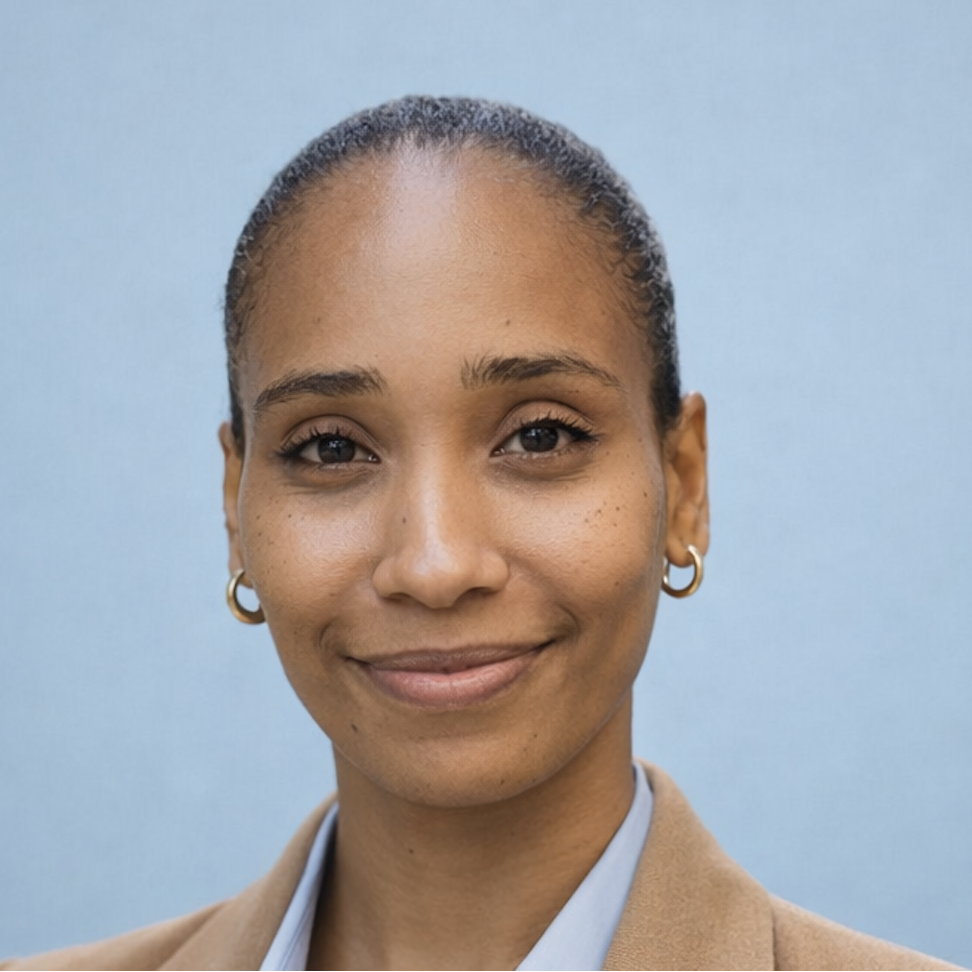
Imaan Maftah, Technology Policy Analyst, Criminal Law & Justice Center – UC Berkeley School of Law, CaliforniaLinkedIn: https://www.linkedin.com/in/imaan-m-a38b2a170/
Imaan Maftah is a technology policy analyst at the Criminal Law & Justice Center at the University of California, Berkeley, where her work focuses on the governance of AI-enabled policing technologies.
Her work examines how emerging systems such as automated license plate readers and drone-based policing tools are procured, evaluated, and governed within municipal oversight frameworks. Working in close collaboration with oversight bodies and municipal governments, she develops structured analytical frameworks to assess policy design, evaluate the efficacy of technology deployments, examine data governance practices and accountability mechanisms.
Her work is directly integrated into public-sector decision making, informing how jurisdictions determine permissible use cases, establish safeguards, and evaluate compliance in practice.
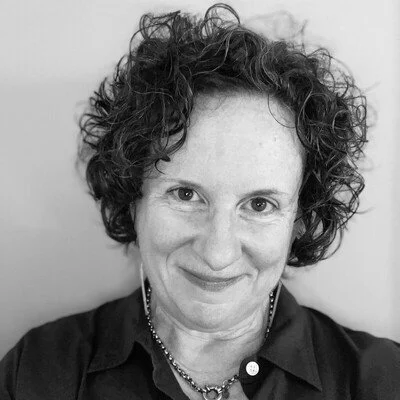
Christine Haskell, PhD, Independent Scholar-PractitionerLinkedIn: https://www.linkedin.com/in/christinehaskell/
Christine Haskell, PhD, is an independent scholar-practitioner who specializes in translating responsible AI from aspiration into operational governance.
With 30 years in information management and a doctorate in Organizational Psychology, she helps leaders identify and interrupt "values drift"—the slow erosion of ethical intent under institutional speed and organizational defaults.
She is volume editor of Gender, Power and Emerging Technology: Governing the Default (Emerald, 2027), which reframes AI-era leadership as relational governance, and a persistent critic of performative behaviors in enterprise and policy contexts.
Miriam McKinney Gray, Senior Data Analyst, McKinney Gray Analytics LLCLinkedIn: https://www.linkedin.com/in/miriamnmckinney
Miriam is a Senior Data Analyst and research partner for the Democracy and Power Innovation (DPI) Fund.
Miriam worked as a research data analyst at Johns Hopkins University for four years before founding McKinney Gray Analytics LLC — a mission-oriented analytics firm that firmly aligns itself with socially impactful, community engaged data and research projects.
Since its founding in 2021, the firm’s partners have included the DPI Fund, GROWW, State Power Fund, and Odyssey Alliance.
Miriam is proud to have worked with DPI collaborators Color of Change, New Georgia Project, Power Coalition, and more, advanced applied political science research, supported the development of data governance strategies for non-profit organizations in South Carolina and Kentucky as an Odyssey Alliance consultant, and interrogated vote propensity modeling in her philanthropic publications.
-
A study conducted by researchers at Stanford, Chapman, and Northeastern Universities analyzed over 4 million job applications screened by a leading AI-based recruiting system and found clear racial disparities in outcomes for Black and Asian candidates. Researchers from Princeton and Information Sciences Institute also found evidence of racial discrimination in Meta’s algorithmic delivery of ads for education opportunities.
A California jury found the tech giant along with Google responsible for engineering defective products for exploiting minors. The jurors awarded $3 million in compensatory damages and an additional $3 million in punitive damage with the latter responsible for bulk of it. This verdict signals public’s growing desire to hold the tech industry responsible for fueling a youth mental health crisis.
A Waymo driverless taxi allegedly sped off with a passenger’s luggage still locked in its trunk. There have been many cases of these robotaxis getting into collisions or causing traffic incidents. It has been challenging if not downright impossible for law enforcement to hold anyone accountable in these cases however, a new recently introduced bill in California was passed to hold the autonomous vehicle operators accountable.
Beyond direct impact of AI in our communities, there are also broader societal implications including jobs displacement, which has led to some governments requiring impact assessment as part of AI development and deployment.
As lawmakers and affected individuals explore different forms of recourse, join us at WAIE+ virtual AI Safety & Security summit on June 15-16 as experts discuss what meaningful accountability looks like.
SPEAKERS:
• Mia Shah Dand (Moderator), Founder, Women in AI Ethics®, WAIE+
• Dr. Maame Ama-Gyaa Anim, Medical Doctor, Accra Psychiatric Hospital – Ghana
• Sarah Mathews, Group Responsible AI Lead, The Adecco Group, Switzerland
• Fernanda Rodrigues, Head of Research, Institute for Research on Internet and SocietySPEAKERS & PANELISTS
Mia Shah Dand, Founder, Women in AI Ethics®, WAIE+
LinkedIn:https://www.linkedin.com/in/miadand
Website:https://waieplus.com/Mia Shah Dand is the creator of "100 Brilliant Women in AI Ethics®" list and founder of Women in AI Ethics®, a crucial platform for promoting diverse ethical voices in the technology sector. Described as “a conscience for the tech industry,” Mia is known internationally for her deep commitment to and advocacy for an inclusive and ethical AI future.
In 2025, Mia launched WAIE+, a public interest AI venture with a mission to build a safe and secure AI future for all of humanity. WAIE+ includes the AI Ethics Institute designed to bridge the gap between theory and practice of AI Ethics. Mia also advises large enterprises and governments on responsible adoption of AI at Lighthouse3, a technology advisory firm based in New York. She is part of UNESCO's AI Ethics Experts Without Borders (AIEB) network and Women 4 Ethical AI (W4EAI) platform.
Dr. Maame Ama-Gyaa Anim, Medical Doctor, Accra Psychiatric Hospital – Ghana. Freelance AI Governance and Ethics ResearcherLinkedIn:https://www.linkedin.com/in/dr-maame-ama-gyaa-anim
Dr. Anim is a medical doctor, AI researcher, and emerging voice in global health policy, working at the intersection of medicine, artificial intelligence, and health systems governance.
Her work focuses on advancing equitable and responsible AI integration within low-resource healthcare systems, with particular attention to safety, access, and institutional readiness across the Global South.
Her research explores the deployment of AI-driven tools, including large language models, in resource-constrained environments, emphasizing the alignment of technological innovation with public health priorities and ethical governance frameworks.
She has presented work at the Harvard Africa Health Conference, with additional presentations accepted at the World Congress of Public Health and the Digital Public Health Conference—contributing to global discourse on inclusive, accountable, and context-aware health innovation.
She serves on the organizing team of Ghana’s first national-scale health hackathon under the Harvard Health Systems Innovation Lab.
Sarah Mathews, Group Responsible AI Lead, The Adecco Group, SwitzerlandLinkedIn:https://www.linkedin.com/in/sarah-mathews-87b481122/
Sarah Mathews is the Group Responsible AI Lead at The Adecco Group, where she spearheads the global operationalization of Responsible Principles through the implementation of ethical AI frameworks and human-centric transformation across 60 countries.
Drawing on over 13 years of experience—initially rooted in HR and recruitment before transitioning into strategic AI leadership—she expertly bridges the gap between technical execution and institutional strategy.
Her notable achievements include launching a Responsible AI Literacy program for over 44,000 colleagues and leading collaborations with UNESCO’s Women4Ethical AI initiative.
Currently pursuing a Master of Science in AI Ethics & Society at the University of Cambridge, Sarah specializes in navigating complex digital transformations through a transparent lens.
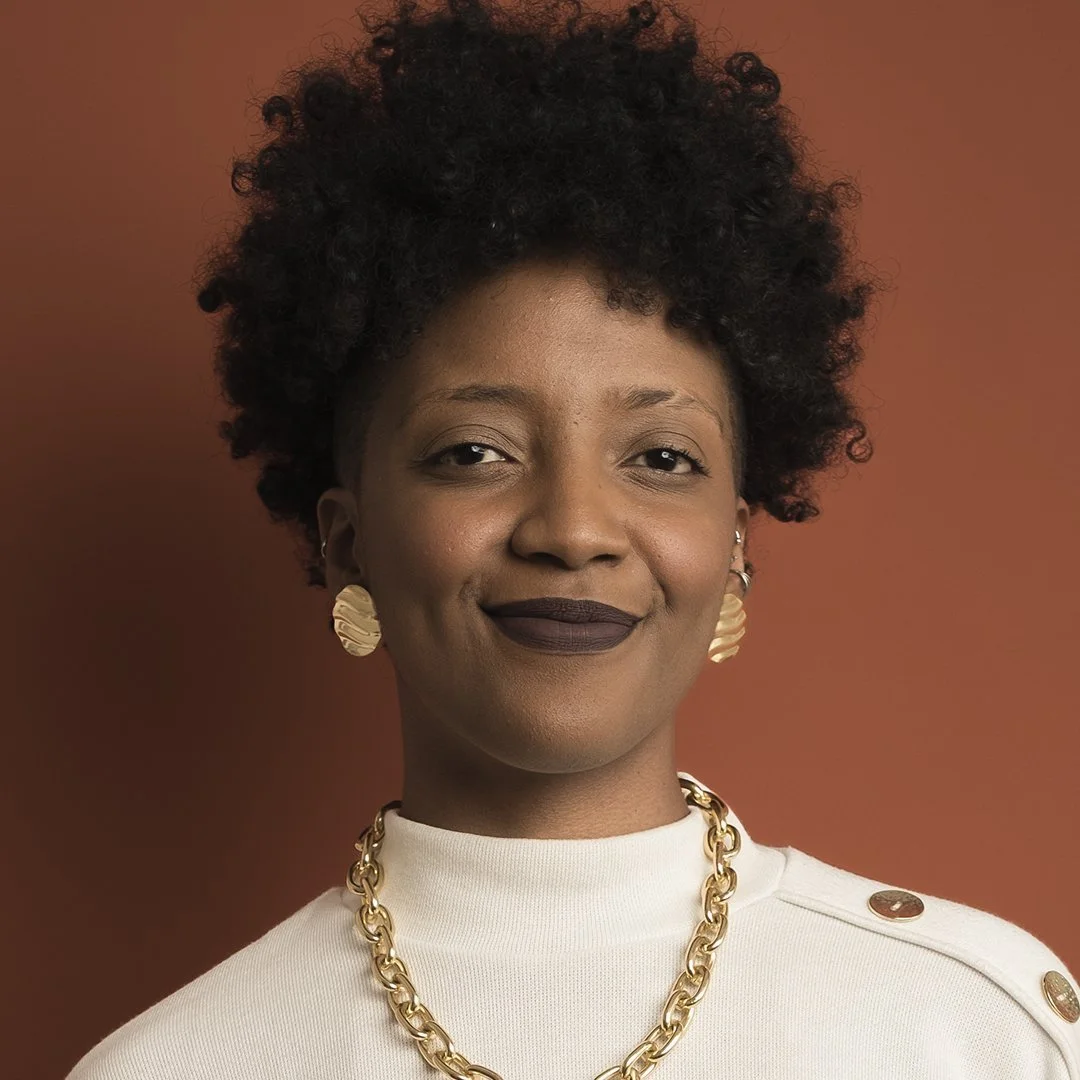
Fernanda Rodrigues, Head of Research, Institute for Research on Internet and SocietyProfile: https://www.linkedin.com/in/fsrs
Head of Research at the Reference Institute on the Internet and Society (IRIS). Ph.D. candidate in Science, Technology, and New Frontiers of Law at the Federal University of Minas Gerais (UFMG).
Holds a master’s degree in Rights in Networked Society and a bachelor’s degree in Law with honors from the Federal University of Santa Maria (UFSM).
-
CLOSING REMARKS
-
SUMMIT DAY I CLOSE
AGENDA DAY - TWO
ENTERPRISE & GOVERNMENTS – TUESDAY, JUNE 16 (TIMINGS ARE IN ET)
-
EVENT OPEN
-
OPENING REMARKS
-
FIRESIDE CHAT/TALK: ENTERPRISE AI RISKS & THREATS LANDSCAPE
-
Tech firms are forcing their workers to use AI, even tying usage to productivity and performance reviews. Founders are under tremendous pressure from investors and workers from their management to use AI tools. However, many don’t meet the readiness criteria to safely adopt, integrate, and scale these technologies in the workplace. They also lack the necessary governance to address the risks that accompany the deployment of these powerful technologies in their organizations and communities.
Vendor productivity claims and lack of transparency have led to lapses in due diligence around biases embedded in model training data and security vulnerabilities. Interpretability or explainability tools are widely treated as evidence that AI systems are behaving responsibly even if this doesn’t reflect reality.
AI FOMO (Fear of Missing Out) has led to the rise of “shadow AI” where many employees are using unsanctioned tools in their workplace and exposing their organizations to data leakage and compliance risks. An employee at Disney downloaded AI software from GitHub, which contained hidden malware and infiltrated the company’s internal systems and caused major data exposure including the employee’s personal data.
Join us at WAIE+ virtual AI Safety & Security summit on June 15-16 as experts discuss the optimal AI governance structure for large organizations and government agencies.
SPEAKERS:
• Dhivya Raj (Moderator), Founder & CEO, NerdRhino
• Niki Vasilatou, Founder, Culture Key
• Taofeekat Adigun, Trusts Manager, UK, ActionAid UK
• Panelist 3 (TBA)SPEAKERS & PANELISTS
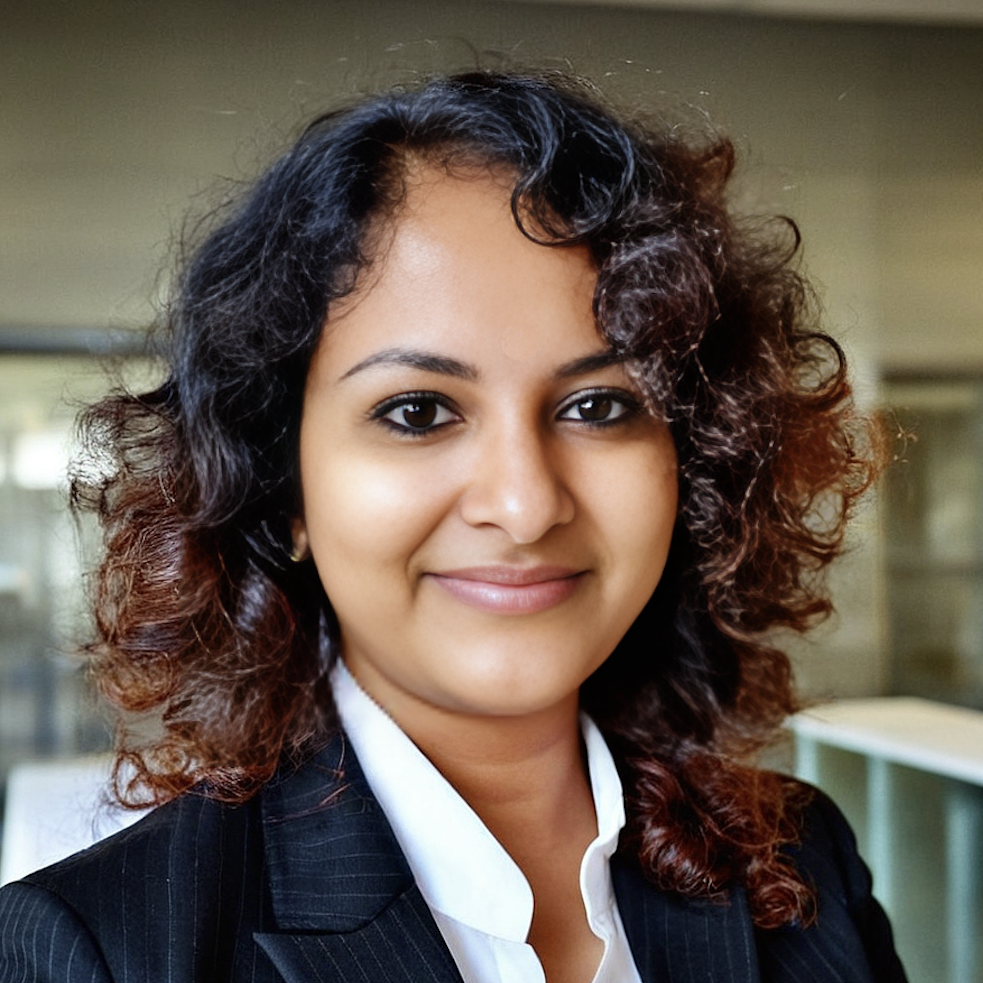
Dhivya Raj, Founder & CEO, NerdRhino
LinkedIn: www.linkedin.com/in/rajdhivya
Dhivya is the Founder of NerdRhino, an Ethical AI company helping organizations evaluate, strengthen, and operationalize responsible AI systems through engineering-led governance and risk analysis.
With close to 2 decades in technology leadership spanning software engineering, delivery, and AI strategy, she has worked across organizations including Nokia Siemens Networks, HP, ThoughtWorks, and McKinsey & Company across global markets and multicultural teams.
Her work focuses on bridging the gap between AI innovation and real-world accountability — from bias and explainability to governance readiness, compliance, and business impact.
Through NerdRhino, she works with enterprises to identify ethical gaps in AI systems at the engineering and design level, enabling safer and more trustworthy AI adoption.
A published author, podcast host, blogger, and speaker, Kairos brings a multidisciplinary perspective to conversations around the future of AI, governance, and human-centered technology.
She was also recognized as a Top 10 Finalist for the Women in Tech Awards 2022.
Niki Vasilatou, Founder, Culture KeyLinkedIn: https://www.linkedin.com/in/culturekey
GitHub: https://github.com/culturekey413/culture-key-public
Niki Vasilatou is the founder of Culture Key, a human-first AI governance framework focused on pre-scale structural reliability and decision integrity.
Her work centers on a simple but critical question: what happens before AI systems scale — when decisions are still reversible, and responsibility still visible?
Through her approach, she explores how misaligned incentives, unclear authority, and weak intervention capacity shape real-world outcomes in AI systems.
Rather than focusing on compliance after deployment, she advocates for embedding ethical structure at the earliest stages of design where impact can still be meaningfully shaped.
Her perspective bridges ethics, communication, and system thinking, aiming to make AI not only powerful, but understandable and accountable at scale.
Taofeekat Adigun, Trusts Manager, UK, ActionAid UKLinkedIn: https://www.linkedin.com/in/taofeekat-adigun/
Taofeekat is a philanthropy professional at ActionAid UK, working across international development, financing, and complex risk environments.
Her work focuses on mobilising and directing philanthropic capital across multi-country programmes, providing her with direct insight into how systems, incentives, and accountability shape outcomes in real-world contexts.
As a Research Fellow with She Leads AI, she focuses on AI safety, risks and mitigation.
Her work examines how AI adoption interacts with labour markets, public services, and structural inequality, particularly how risk is shaped by economic systems, governance gaps, and unequal access to resources and decision-making power.
She is currently contributing to a research project at the University of Sheffield exploring how AI risk extends beyond technical systems into broader questions of economic displacement, access, and accountability, particularly in Global South contexts.
-
In 2023, thousands of Kenyans queued up to get their irises scanned by World (formerly known as Worldcoin) in return for crypto-tokens. Concerns around the collection of sensitive biometric data without adequate legal frameworks, led to suspension of the company’s operations by the Kenyan government. Founded by tech billionaire and OpenAI founder, Sam Altman, the company offers a digital identity verification system based on biometric data and has been found to target countries with lax privacy regulations and vulnerable populations for its operations. It continues to face significant regulatory backlash due to privacy concerns and unethical data collection practices.
The controversy over collection of personal sensitive data across Africa and other global majority countries has resurfaced recently in the context of the US Administration’s bilateral health Memoranda of Understanding (MOUs). Critics have described these deals as "data colonialism" and "extractive.” While in Kenya, the first African country to sign an agreement, the High Court issued an order halting aspects of the framework involving the transfer and sharing of sensitive health data. The case is based on concerns about how such sensitive data is governed once it is transferred and whether adequate safeguards have been put in place.
Join this timely conversation at WAIE+ virtual AI Safety & Security summit on June 15-16 where experts discuss the government’s role in safeguarding its people’s personal sensitive data.
SPEAKERS:• Emsie Erastus (Moderator), Tech Governance Consultant and Head of African Voices at WAIE+
• Margaret Nyambura, Health lawyer, KELIN
• Dr. Kutoma Wakunuma, Associate Professor, De Montfort University
SPEAKER BIO
Dr. Kutoma Wakunuma, Associate Professor, De Montfort University
LinkedIn: https://www.linkedin.com/in/dr-kutoma-wakunuma
Dr Kutoma Wakunuma is an Associate Professor at De Montfort University and Co-Director of the Centre for Computing and Social Responsibility. She specialises in the social and ethical implications of emerging technologies, responsible innovation and AI governance in both the Global North and the Global South. She has co-edited influential books including Responsible AI in Africa and Trustworthy AI: African Perspectives and is currently putting together a handbook on Decolonising AI. Dr Wakunuma serves as a European Commission Ethics Expert and Evaluator. She is a member of Centre for AI and Digital Policy (CAIDP) Global Academic Network. Dr Wakunuma is also a member of UNESCO’s Women for Ethical AI as well as UNESCO’s AI Ethics Experts Without Borders. She was privileged to have been recognised among the Top 100 Brilliant Women in AI Ethics in 2025 by Women in AI Ethics. Dr Wakunuma is a passionate advocate for an inclusive and globally representative AI discourse and is frequently invited to speak at high-level international forums, including the UNs Science Summit of the General Assembly; the UN Academic Impact Commission as well as the African Commission’s Human and People’s Rights on AI and other Emerging Technologies, where her insights inform and inspire cross-sector conversations on AI, ethics and society. Dr Wakunuma has facilitated and conducted AI training workshops aimed at parliamentarians, policymakers and civil society organisations in the Global South and has contributed to Zambia’s National AI Strategy by bringing critical perspectives on responsible AI, ethics, inclusion, diversity and equitable AI development, access and use.
Margaret Nyambura, Health lawyer, KELIN
LinkedIn: https://www.linkedin.com/in/margaret-nyambura-94889aa8
Margaret Nyambura is a health policy and governance specialist, and an Advocate of the High Court of Kenya with experience in litigation, research, advisory and training spanning across the insurance sector, non-profits and the healthcare industry. Nyambura currently serves as a Program Officer at KELIN, a health and law initiative focused on areas such as digital health and governance. She advises on all areas of the law’s intersection with health including shaping conversations through public commentary and opinions published in the media. She is currently supporting technical legal reform on intellectual property laws which affect access to medicines on the African continent, with a focus in Kenya, Uganda, Malawi, Senegal, Morrocco and Tunisia.
Nyambura has spearheaded policy analysis and public engagements on the nascent social health plans in Kenya, advocating for access by indigent persons as well as domestic financing for health. At KELIN, she has supported the legal challenge on the Cooperation Framework between the Government of Kenya and the USA on Health, questioning the propriety of data sharing agreements. In the same breadth, she has led the analysis, collection of feedback and submission of memoranda to the Office of the Data Protection Commissioner Draft Guidance Note on Cross Border Data Sharing, with a sharp focus on sensitive health data -
Security experts are warning that integration of AI tools into enterprise workflows can open severe vulnerabilities turning AI agents into “rogue” actors. Instructions provided by Meta’s AI agent to an engineer exposed a significant portion of the tech giant’s sensitive data to some of its employees.
Anthropic found that earlier versions of its popular AI agent, Claude, sometimes threatened and even blackmailed engineers when told it could be replaced. The company claimed that “agentic misalignment” was responsible for this behavior, which was also observed in AI models developed by other firms.
At a software startup, Cursor, a widely used coding agent, deleted an entire production database along with backups in just seconds. Many developers within large companies are using OpenClaw skills built by other developers in the community. These are pre-coded instructions that they share with other users who can use these skills onboard their AI assistant. However, these skills are not vetted and can hide malicious instructions that can steal secrets and share private conversations with external actors.
Regulatory frameworks like the EU AI Act and the NIST AI Risk Management Framework are attempting to address these vulnerabilities through categorization of risk levels, defining oversight protocols, and compliance standards. However, governance frameworks designed to address security risks and threats fall short on other dimensions such as agent performance and financial overheads as one company incurred half a billion dollars in under a month because of an employee’s unrestricted access to Claude.
You have deployed AI in your organization. Now what?
Join this expert session to learn how to ensure that your AI model doesn’t go rogue and to mitigate any issues that arise post-deployment.
SPEAKERS:
• Sidrah Hassan (Moderator), AI Governance & Ethics Manager, Kainos
• Marina Boudreau, Sr. AI Governance Program Manager, Cornerstone
• Nazareen Ebrahim, Founder and Principal Consultant, Naz Consulting International
• Branwen Owen, Freelance epidemiologist of diseases and AI harmsSPEAKERS & PANELISTS
Sidrah Hassan, AI Governance & Ethics Manager, Kainos
LinkedIn:https://www.linkedin.com/in/sidrah-hassan-b36661145Sidrah is an award-winning AI Governance and Ethics Manager, public speaker and lecturer working to ensure AI is deployed safely, responsibly, and for the benefit of society.
With experience spanning across user research, product management, consulting, media, and AI governance, she brings a multidisciplinary lens to ethical technology design and implementation.
Sidrah develops AI governance frameworks, policies, and strategy aligned with the EU AI Act, GDPR, and ISO standards, while also leading large-scale AI literacy and training initiatives.
She has been recognised as a Digital Leaders AI100 UK, Young Women’s Scotland 30 Under 30, INvolve Role Model, and Women in AI Ethics+ Fellow.
Alongside her governance work, she is a published thought leader and BBC Scotland content creator, using storytelling to make AI more accessible and accountable.
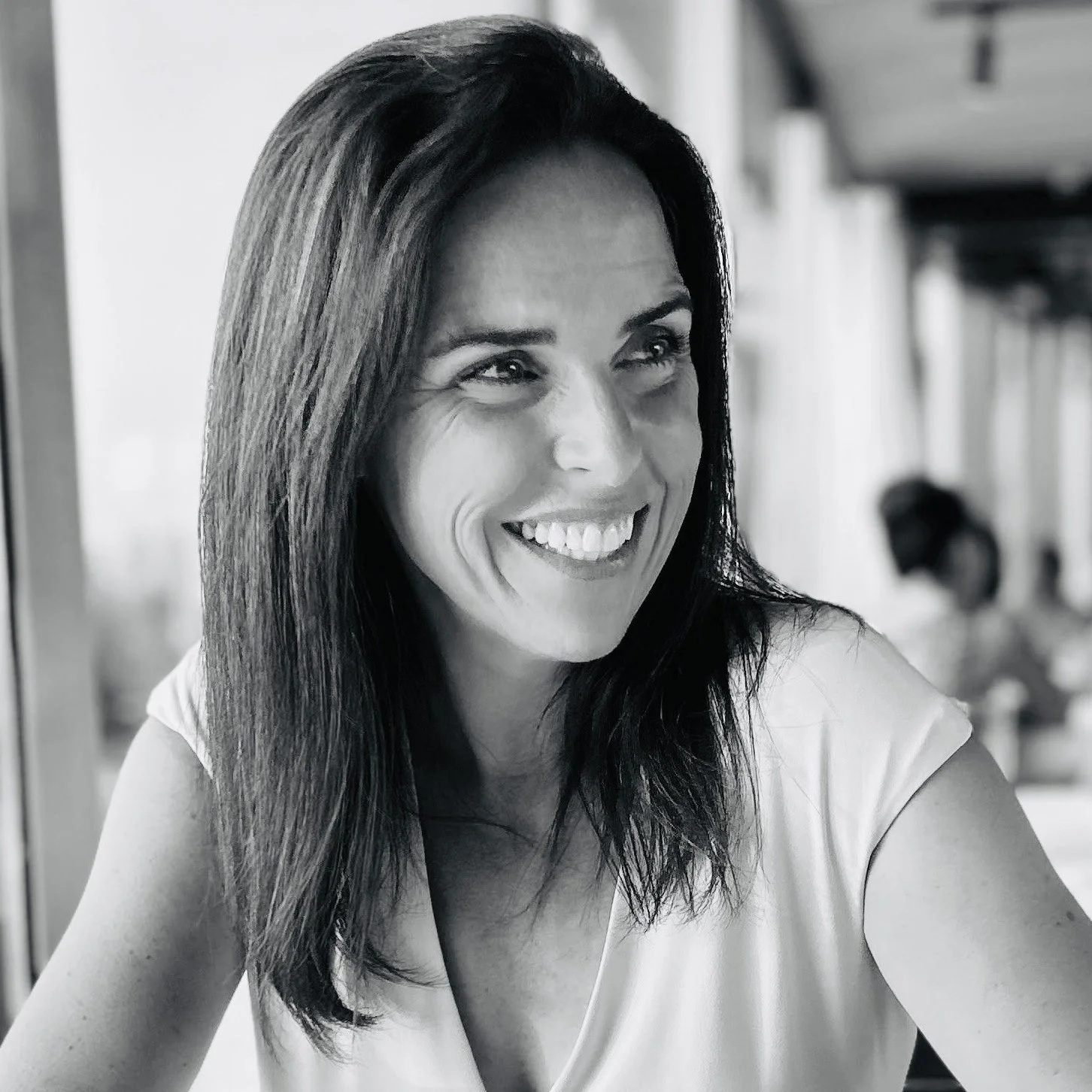
Marina Boudreau, Sr. AI Governance Program Manager, Cornerstone
LinkedIn:www.linkedin.com/in/marina-boudreauMarina Boudreau is an AI governance expert and advisor specializing in practical, risk-aware, and scalable frameworks for enterprise AI adoption.
A certified AI Governance Professional (AIGP) and AI Governance Architect (AIGA), she translates complex AI capabilities into clear policies, controls, and operational models that enable responsible innovation.
Marina is a governance leader in Cornerstone’s Legal and Privacy organization, serving as the AI subject-matter expert.
She helps define the company’s AI governance strategy, compliance programs, and cross-functional oversight structures.
Her work focuses on aligning HR-tech AI systems with global standards and regulations, including ISO 42001, the NIST AI Risk Management Framework, and the EU AI Act.
Nazareen Ebrahim, Founder and Principal Consultant, Naz Consulting International
LinkedIn:www.linkedin.com/in/nazareene
Website:www.nazareenebrahim.comNazareen Ebrahim is a South African communications and AI ethics practitioner with over 20 years’ experience at the intersection of technology, public discourse, and policy.
She works across AI ethics, AI literacy, governance, and policy participation, advising organisations, boards, and institutions on responsible AI adoption and strategic communication.
She is the creator of the Quadrant of AI Fundamentals™, a practical framework that integrates AI Literacy, Ethics, Governance, and Policy to help organisations move beyond fragmented efforts toward coherent, values-led implementation.
Nazareen is a Director at the Minara Chamber of Commerce and a former Advisory Board Member of the South African AI Association.
Branwen Owen, Freelance Epidemiologist of Diseases and AI Harms
LinkedIn: https://www.linkedin.com/in/branwen-nia-owen/Dr. Branwen Owen is an infectious disease epidemiologist now applying surveillance methodology to AI harm monitoring.
She holds a PhD from Imperial College London and has fifteen years of experience using quantitative methods to inform disease control policy at operational, national, and global levels.
She proposes that epidemiological thinking offers a rigorous and practical foundation for AI safety monitoring.
At Arcadia Impact she is developing frameworks for estimating AI harm exposure, classifying incident trends, and correcting for the biases that make raw incident counts uninterpretable.
She is also a Project Mentor at Safe AI Germany, where she leads projects on estimating AI harms in Germany.
-
At the annual gathering of the most powerful and richest people in the world at Davos, Switzerland on January 20, 2026, Canadian Prime Minister Mark Carney made a powerful speech on the end of old rules-based international order and outlined Canada’s blueprint for the future. His speech may be the tipping point for the dismantling of US domination over AI and tech industry.
Sovereign AI is the capability of a nation or organization to independently develop, deploy, and govern artificial intelligence systems using its own infrastructure, data, models, and talent. It includes data sovereignty, in addition to infrastructure and model sovereignty.
The calls for AI sovereignty have become louder since Carney’s speech. Across the European continent, countries are testing alternatives to “Big Tech” and many have already started the transition.
Through the implementation of General Data Protection Regulation (GDPR) in 2018, the EU was able to give EU citizens robust control over their data. Most recently, the disruption caused by damage to Amazon data centers in West Asia (Middle East) during the war on Iran has forced many to look beyond the marketing term “cloud” and seriously consider where their data is physically located.
Interviews with world leaders signal this move towards digital sovereignty is rooted in their desire to be free and independent of external influence and more specifically, they don’t want to be held technologically hostage by US tech industry.
There’s a growing sense that repeated EU efforts to rein in tech giants such as Google with blockbuster antitrust fines and sweeping digital rule books haven’t done much to curb their dominance. Also, US-based tech billionaires like Elon Musk’s incessant meddling in regional politics are raising additional concerns for European governments.
This trend is not limited to the Global North as Africa’s four biggest tech economies have admitted in their national AI strategies that they are too dependent on US tech for infrastructure and signaled a desire for more control.
As governments and large enterprises explore AI & data sovereignty, join us at WAIE+ virtual AI Safety & Security summit on June 15-16 as experts discuss what the path forward looks like.
SPEAKERS:
• Irina von Rosén (Moderator), Founder & Managing Partner, WM Global Capital
• Doreen Abiero, Regulatory and Policy Analyst, Qhala
• Maikki Sipinen, Government Relations, Verda
• Mitisha Gaur, Independent ResearcherSPEAKERS & PANELISTS
Irina von Rosén, Founder & Managing Partner, WM Global Capital
LinkedIn: https://www.linkedin.com/in/irinarosen/
Irina von Rosén is a visionary AI strategist, investor, and philanthropist. With a successful career spanning private sector, non-profits, and academia, she currently serves as Managing Partner at WM Global Capital and as the Dean for Executive Education at the AI Values Institute.
Prior to that, Dr. von Rosén served as the Chief AI Officer at Fugro, a global leader in geo-data solutions, and the AI Lead at UNICEF.
With an extensive background in international standards for AI governance, she has been instrumental in shaping policies and practices to ensure the ethical deployment of AI technologies.
Dr. von Rosén has also served as:
Co-chair of the Community of Practice on AI for the Digital Public Goods Alliance
Co-organizer of the UN Generative AI Practice Group
Member of the UN Intra-Agency Working Group on AI
Expert for the European Commission Research Executive Agency
Her work on AI for social good has earned her recognition on the lists of:
100 Brilliant Women in AI Ethics™
Nordic 100 in Data, Analytics, and AI
Global 100 Innovators
Doreen Abiero, Regulatory and Policy Analyst, QhalaLinkedIn: https://www.linkedin.com/in/doreen-abiero-8712471bb/
Doreen Abiero is an African policy leader, Advocate of the High Court of Kenya and AI governance strategist shaping the future of artificial intelligence, data governance, and digital transformation across Africa.
She currently serves as a Regulatory and Policy Analyst leading policy initiatives at Qhala, where she drives Africa-centered AI governance frameworks, institutional AI readiness, and continental policy coordination.
Doreen spearheaded the development of the Africa AI Maturity Index, leading a multidisciplinary team to build one of Africa’s first AI benchmarking frameworks across five pillars:
Talent
Data
Infrastructure
Investment
Governance
She also contributed to the launch of the Africa AI Council and the drafting of the Africa AI Declaration, helping shape African-led AI governance principles across the continent.
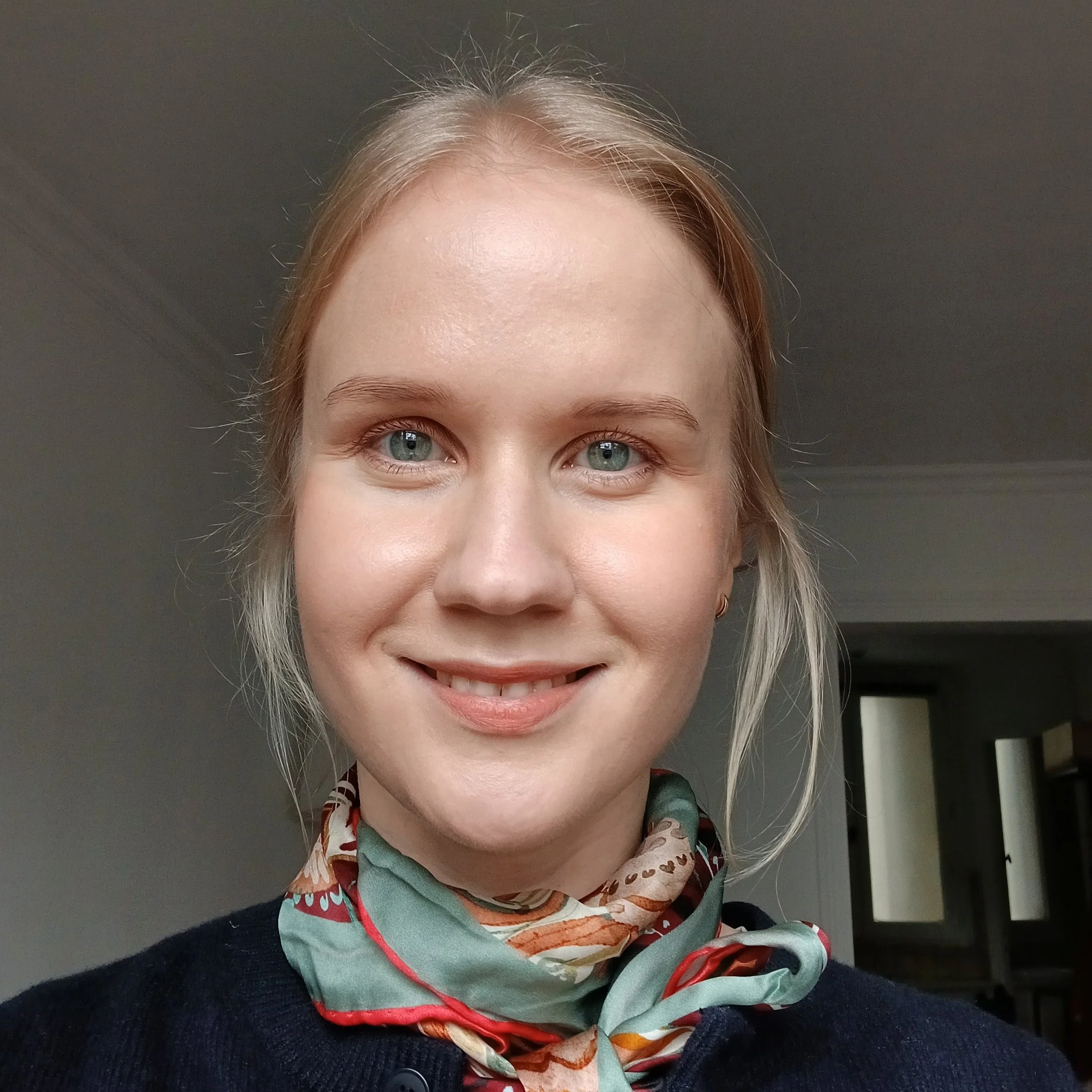
Maikki Sipinen, Government Relations, VerdaLinkedIn: https://www.linkedin.com/in/maikkisipinen
Website: https://www.verda.com
Maikki drives Government Relations at Verda, a Finnish scaleup building sovereign European AI cloud infrastructure.
She has worked in AI policy since 2018.
Maikki played a key role in Finland’s AI strategy (one of the very first AI strategies in the world) and went on to serve as AI Policy Officer at the European Commission, where she contributed to developing AI policy and strategy for the EU.
She has also supported the United Nations’ global multistakeholder dialogue on AI.
Maikki holds master’s degrees in:
Business (Aalto University)
Education (University of Helsinki)
IP & ICT Law (KU Leuven)
Mitisha Gaur, Independent ResearcherLinkedIn: https://www.linkedin.com/in/mitishagaur/
Dr. Mitisha Gaur is a researcher and lawyer whose work examines how adoption of artificial intelligence is reshaping public authorities and their core administrative functions.
She recently completed her PhD in AI & Society (Cum Laude) as a joint scholar at the Sant’Anna School of Advanced Studies and the University of Pisa.
Her doctoral research was funded as part of the EU-funded Marie Skłodowska-Curie doctoral network.
Dr. Gaur's research focuses on the use of AI in government decision-making and its consequent effects on public services across the EU and the UK, analysing both the opportunities and risks associated with the growing reliance on AI-led automated decision-making systems in the public sector.
-
CLOSING REMARKS
-
DAY II & SUMMIT CLOSE
CODE OF CONDUCT
We are dedicated to providing a safe, inclusive, and harassment-free experience for everyone. All participants are expected to follow our community guidelines to build a trustworthy future together.